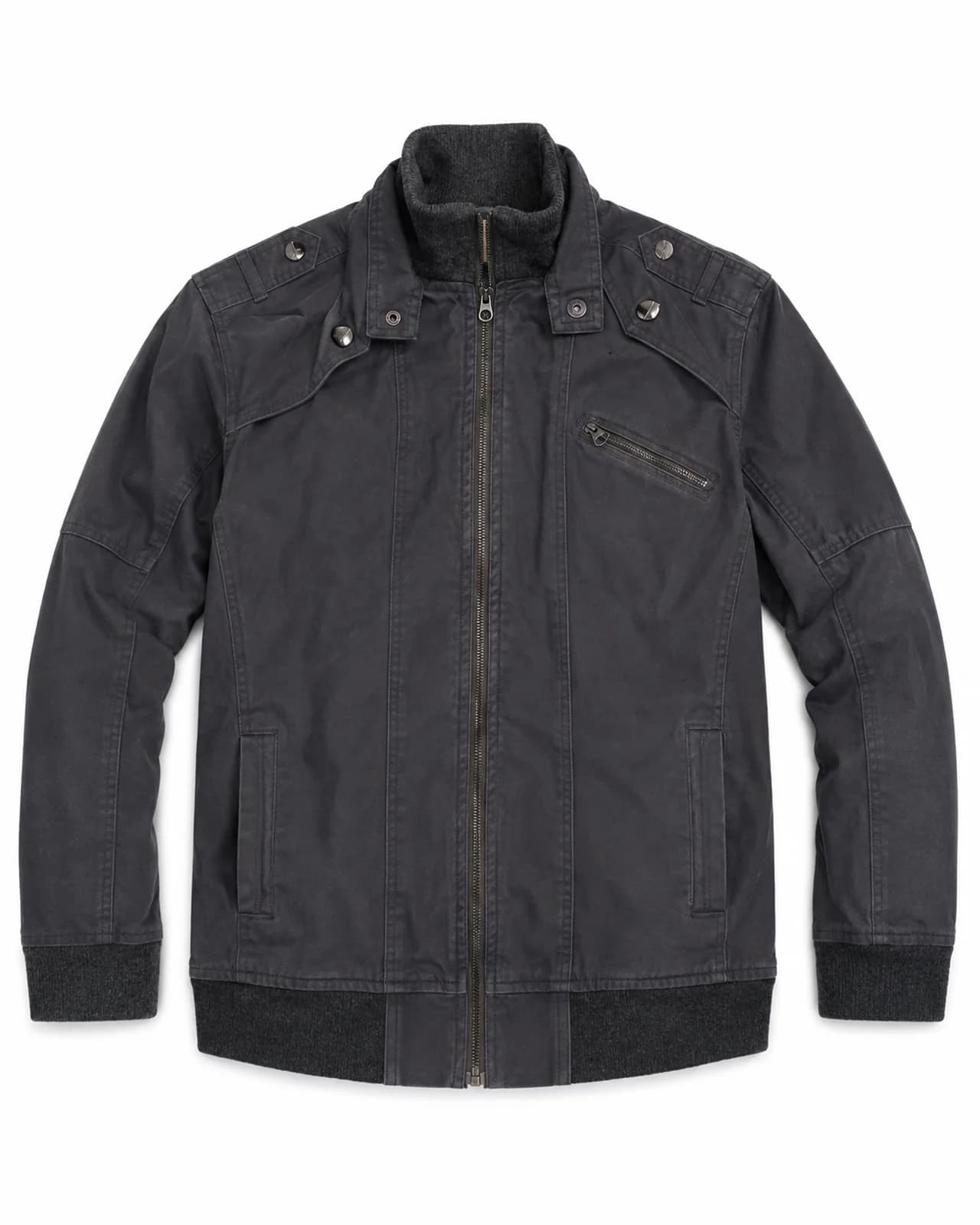
Industries: Corporate
Consistent presentation across sizes and body types, with an inclusive size range.
The requirement
Corporate uniforms are worn by people who did not ask to wear a uniform. Fit and comfort therefore determine adoption more than any other factor. A program staff dislike is quietly abandoned regardless of how it looks on the specification.
Presentation must also hold across a very wide range of body types, which makes inclusive sizing and separate blocks a functional requirement rather than a courtesy.
Programs typically mix woven shirting, knitwear and a soft outer layer, all needing to read as one colour family.
Who wears the program
- Reception and front desk
- Client-facing and sales
- Branch and office teams
- Transport and driver-facing roles
- Management
Typical garments
- Woven shirts
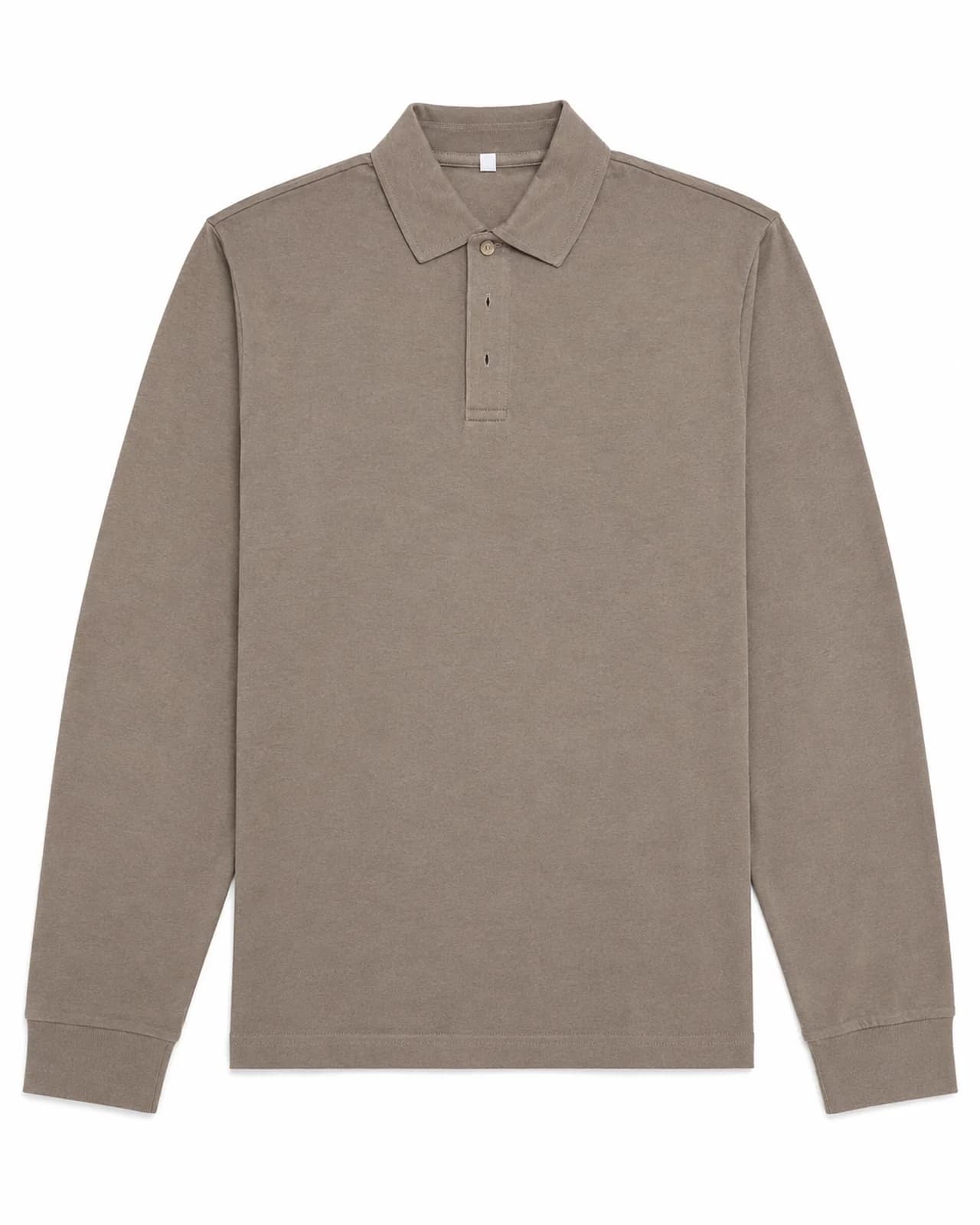
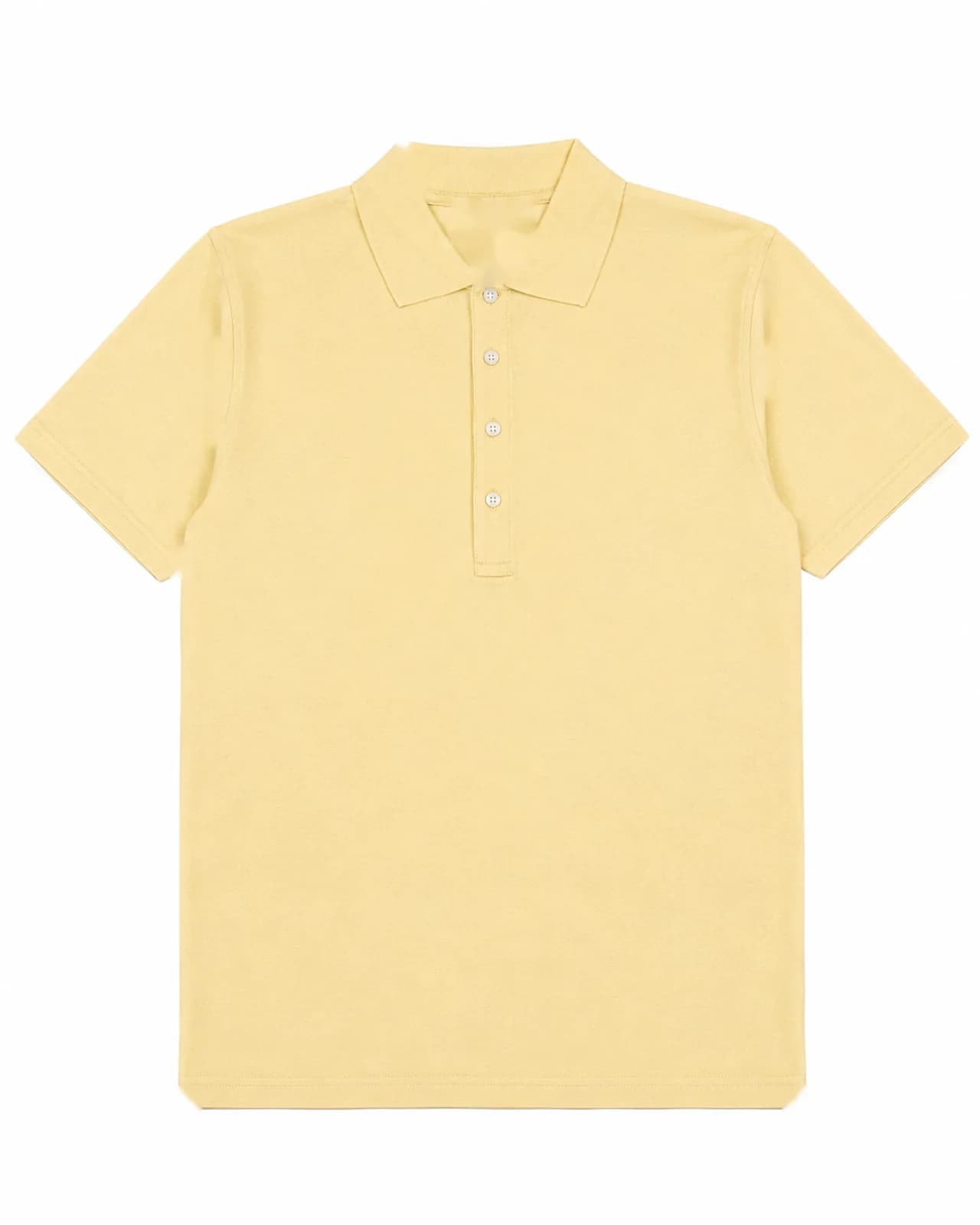
- Uniform polos
- Ties
- Softshell
- Knitwear
Program design
- Fabric
- Poly-cotton poplin and oxford for shirting with easy-care finishing. Pique for polos. Softshell or bonded knit for the outer layer. Crease recovery matters more than weight in most corporate settings.
- Durability
- Moderate. Collar and cuff construction, fusing quality and colour retention matter more than abrasion resistance. A corporate shirt fails by looking tired, not by tearing.
- Comfort
- The deciding factor for adoption. Breathable constructions, stretch where movement is involved, and a fit that is neither restrictive nor shapeless.
- Decoration
- Restrained: embroidered logo on chest or cuff, woven badges, or a tonal mark. Placement specified per article so it sits identically across the program.
- Sizing
- Inclusive ranges and separate men's and women's blocks, developed as separate patterns rather than graded from one another. Size sets approved before bulk.
- Replenishment
- Steady low-volume reorders as staff join. Shade continuity across lots keeps a new starter from standing out.
- Packing
- Folded with collar support or hung, individually polybagged, packed by name or by size to the employer's instruction.
Buyer questions
Because a shirt scaled from one block rather than re-blocked fits poorly across the chest and shoulder. In corporate programs, where fit drives whether staff actually wear the uniform, that difference decides adoption.
Poor fusing that bubbles after washing, collar deformation, and colour fade. All three are fabric and construction decisions made at development, and none of them show up in the first sample. They show up in the field.
Yes, with cross-approval at lab dip stage. Woven and knit fabrics take dye differently, so they are approved against each other rather than separately against the standard.
Send the articles you need and the environment they will be worn in. We will come back on fabric, construction and commercial FOB costing for the whole program.