Infant Bodysuit
Children's safety requirements are qualified against the destination market's standard before development
Products: 12
Children's garments carry safety requirements that adult apparel does not. Cords, small parts and flammability are qualification questions, answered before development starts.
Product types
Children's safety requirements are qualified against the destination market's standard before development
Print chemistry and small-parts requirements qualified before development
Neck opening and finish to the destination market's requirement
Specification
These are the fields resolved during development. Where a value depends on your program, we say so rather than publishing a number that would not survive contact with your specification.
Weights shown are typical ranges for this product class, given for orientation only. Final composition, weight, construction and finish are confirmed against your specification during development.
Approved as a strike-off or sew-out on the bulk fabric before production, not after.
 AI render
Already buying?
Share your existing specification, construction requirements and estimated quantity for a manufacturing and FOB costing review of the same garment. There is no instant price: a comparison is only useful when both quotations describe the same article.
01
The current garment's tech pack, or clear photographs with its measurements. Add the quantity and destination.
02
Fabric and weight, neck and fastenings, cords and small parts against the destination market's requirements, print chemistry, labels and packing, read from the reference rather than assumed.
03
Anything the reference leaves open is asked about before costing, so the price answers the question you asked.
04
On the same basis as the garment you buy now, so the two can be compared line by line. The final price depends on the confirmed specification and commercial approval.
Development
The first five stages decide most of the cost. After approval, production is execution against a document you have already signed.
We review the specification, reference garment or sketch and come back with the questions that would otherwise surface as a failed first sample.
Materials are matched to the requirement and presented with the commercial consequence of each option attached.
FOB costing is built against the confirmed construction, materials, decoration, packing and quantity.
Proto and fit samples are produced against the specification, with a written comment sheet at every round.
Fit, measurements, colour and decoration are approved and locked as the reference for bulk.
Applications
Buyer questions
They are set by the destination market. In the United States the Consumer Product Safety Improvement Act requires third-party testing and a Children's Product Certificate, with rules on lead, small parts and flammability; drawstrings on children's upper outerwear are restricted. In the UK and EU, EN 14682 covers cords and drawstrings. Name your markets at the start so the requirements are set before development.
Under US rules the importer or the domestic manufacturer issues the Children's Product Certificate, based on tests by an accepted third-party laboratory. We work to the requirement you nominate and support the testing; the certificate itself is the importer's.
Press studs are small parts, so attachment strength matters. They are specified nickel-free where skin contact applies, and pull-tested to the standard your market requires, on the sample and in production.
Yes, with print chemistry chosen for the market's restricted-substance limits. Ask for the ink system and its test evidence, especially for infant wear, which is often mouthed.
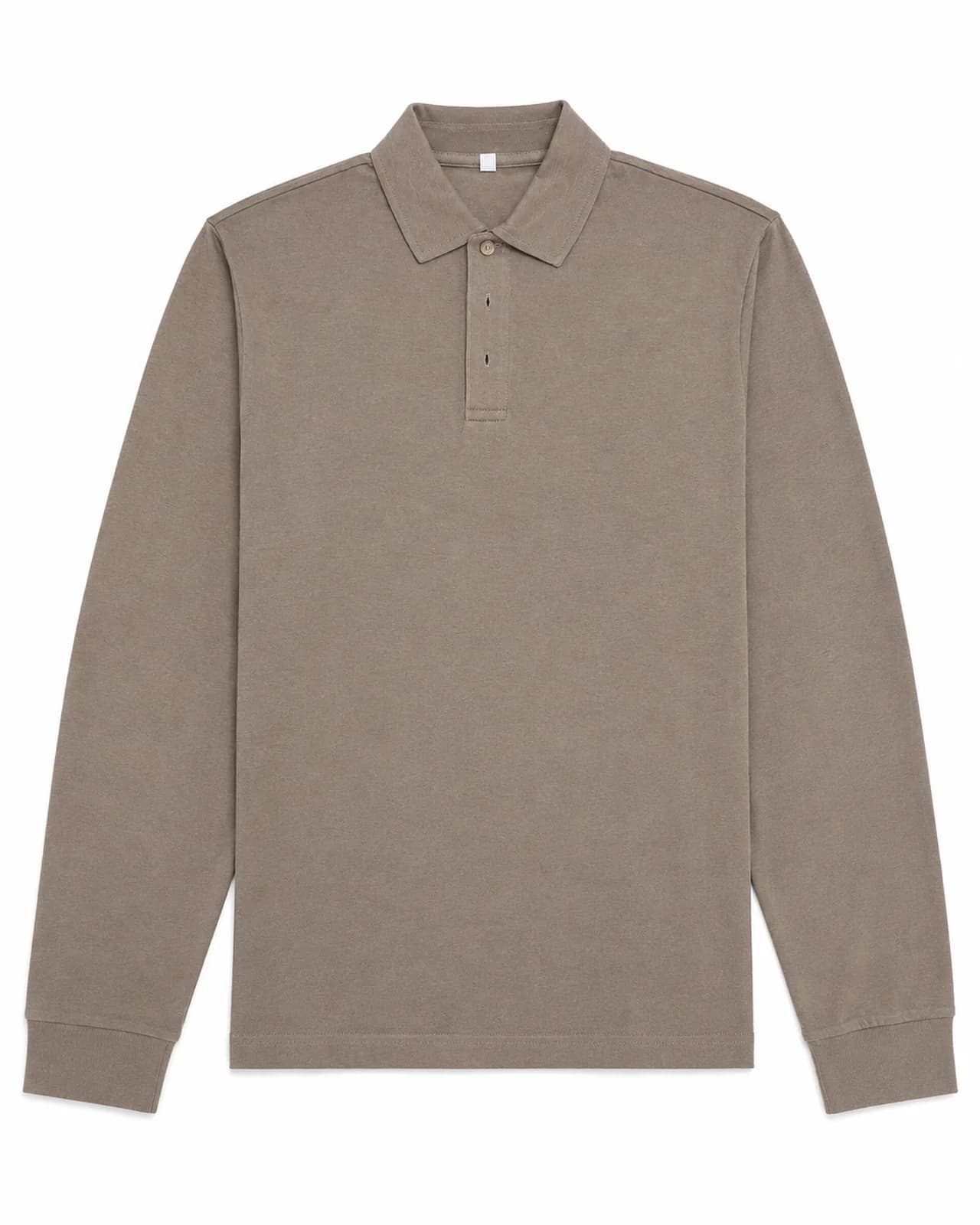
School uniform is part of the kidswear range: polos, shirts, trousers and knit layers made to the school's specification and colours. Send the current garments or the school's specification for review.
One style is enough to see how we work. Send a tech pack, a reference garment or a written requirement and we will come back on construction, materials and FOB costing.
Explore next
Uniform & Workwear manufacturing
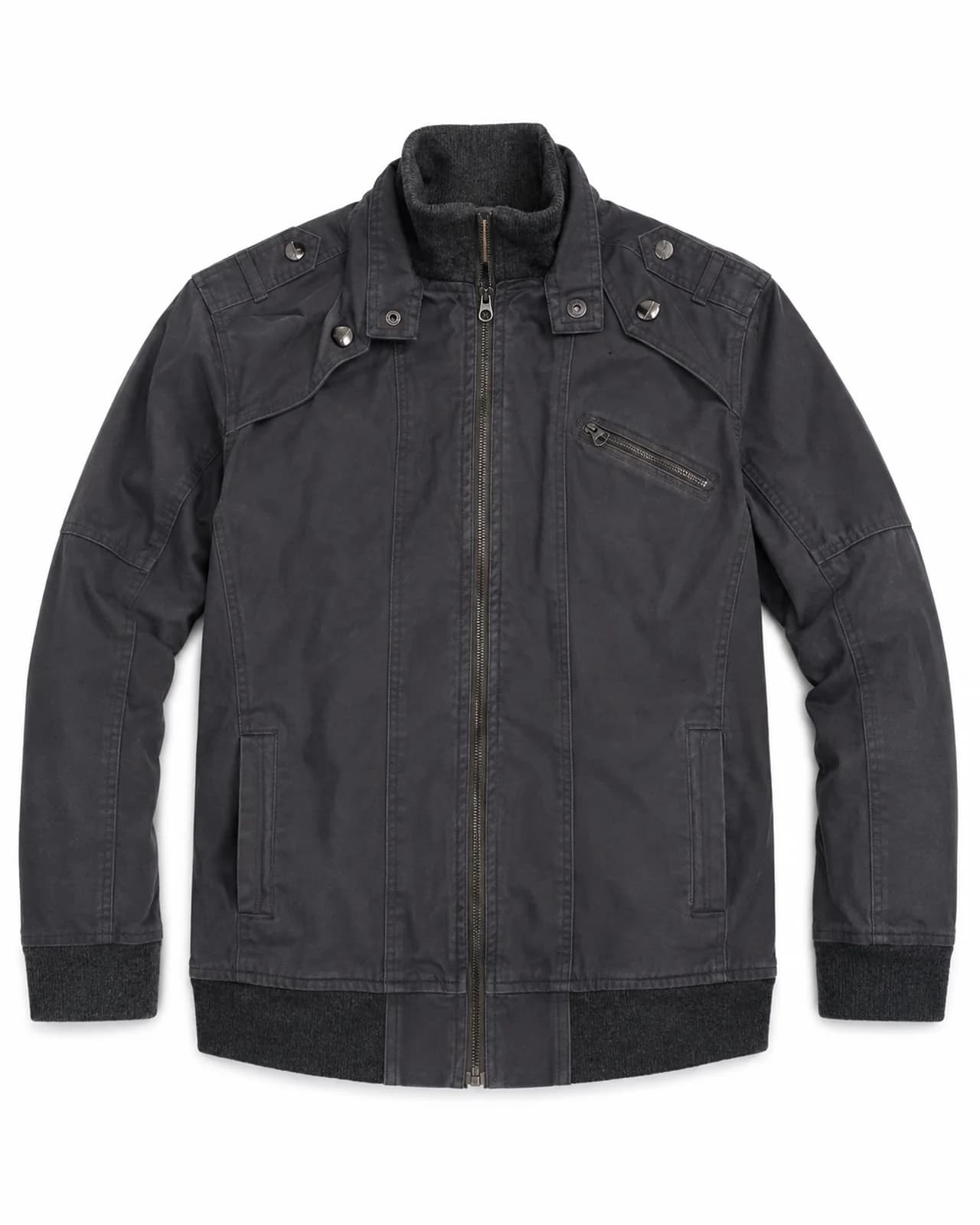
Garments that have to survive a shift, a wash cycle and a reorder twelve months later looking like the first delivery.
Polos & T-Shirts manufacturing
The highest-volume item in most uniform programs, and the one where collar recovery and colour consistency across reorders decide whether a buyer stays.
Fleece & Sweatshirts manufacturing
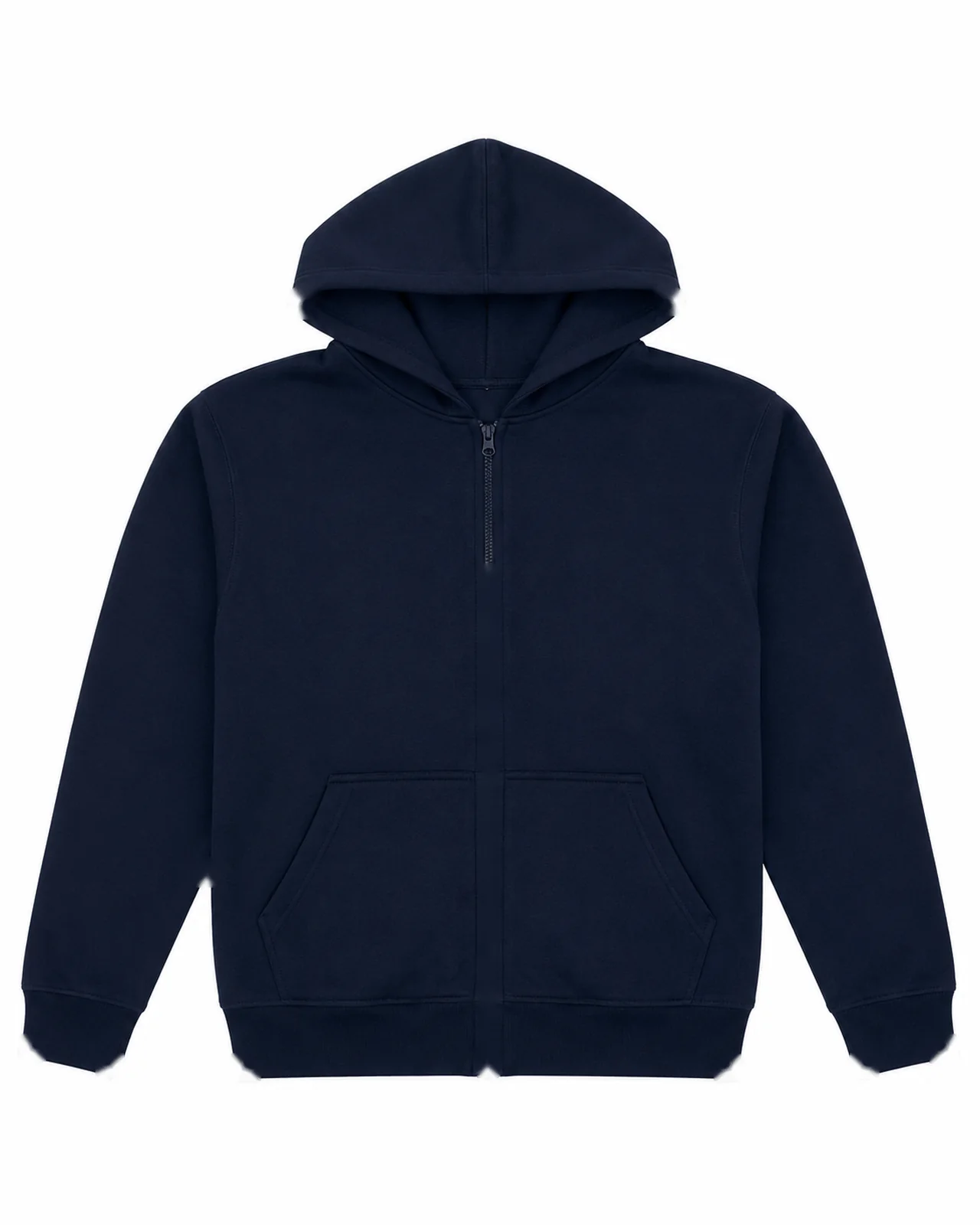
Sweatshirts, hoodies and full-zip fleece: the layer that gets worn outside the building, which makes it the most visible garment in the program.
Materials and fabric selection
Construction families, typical program weights, finishes and where each is used.
Quality assurance process
Where inspection happens and what is checked at each stage.
FOB export from Port Qasim
Documentation, packing, carton marking and handover.