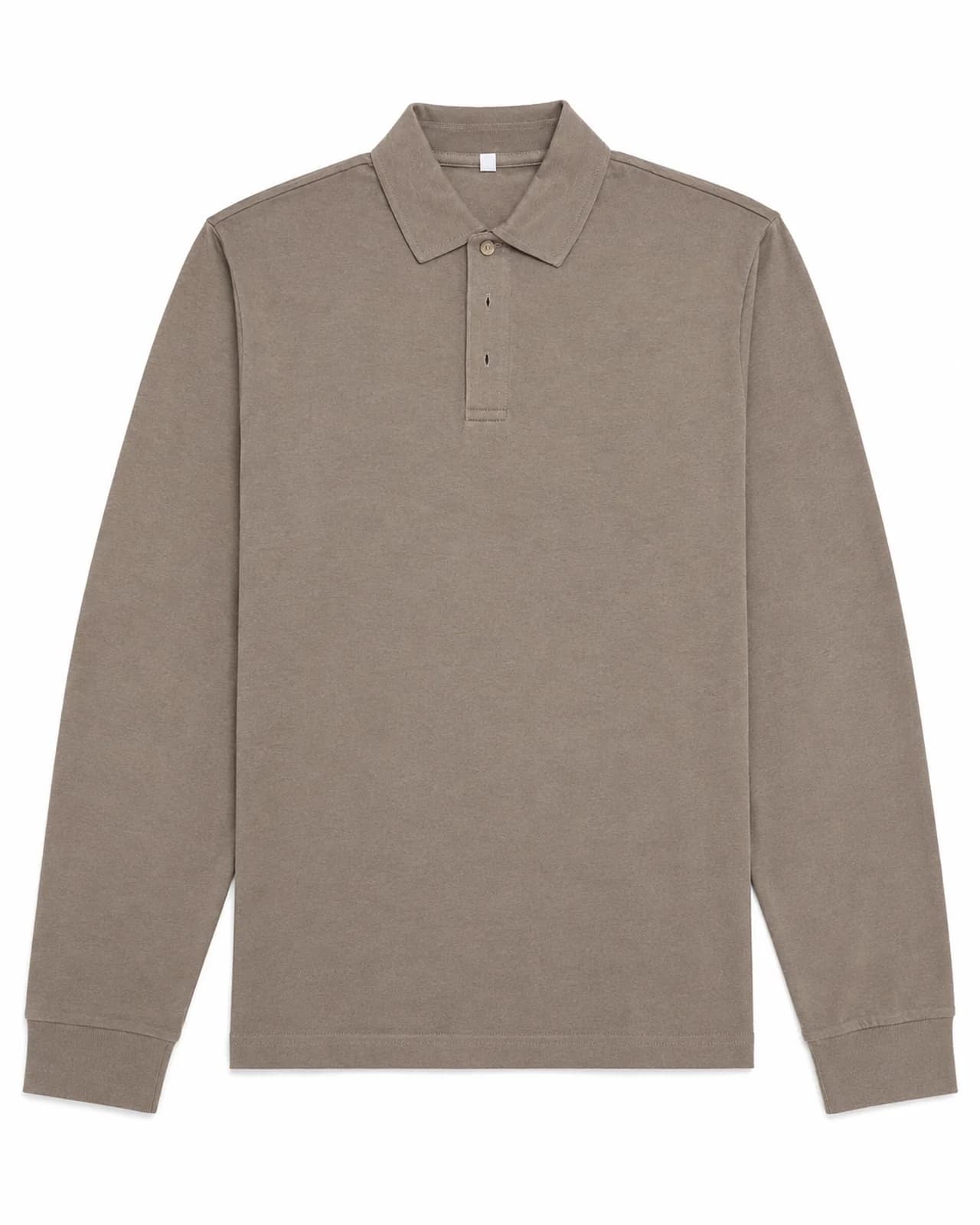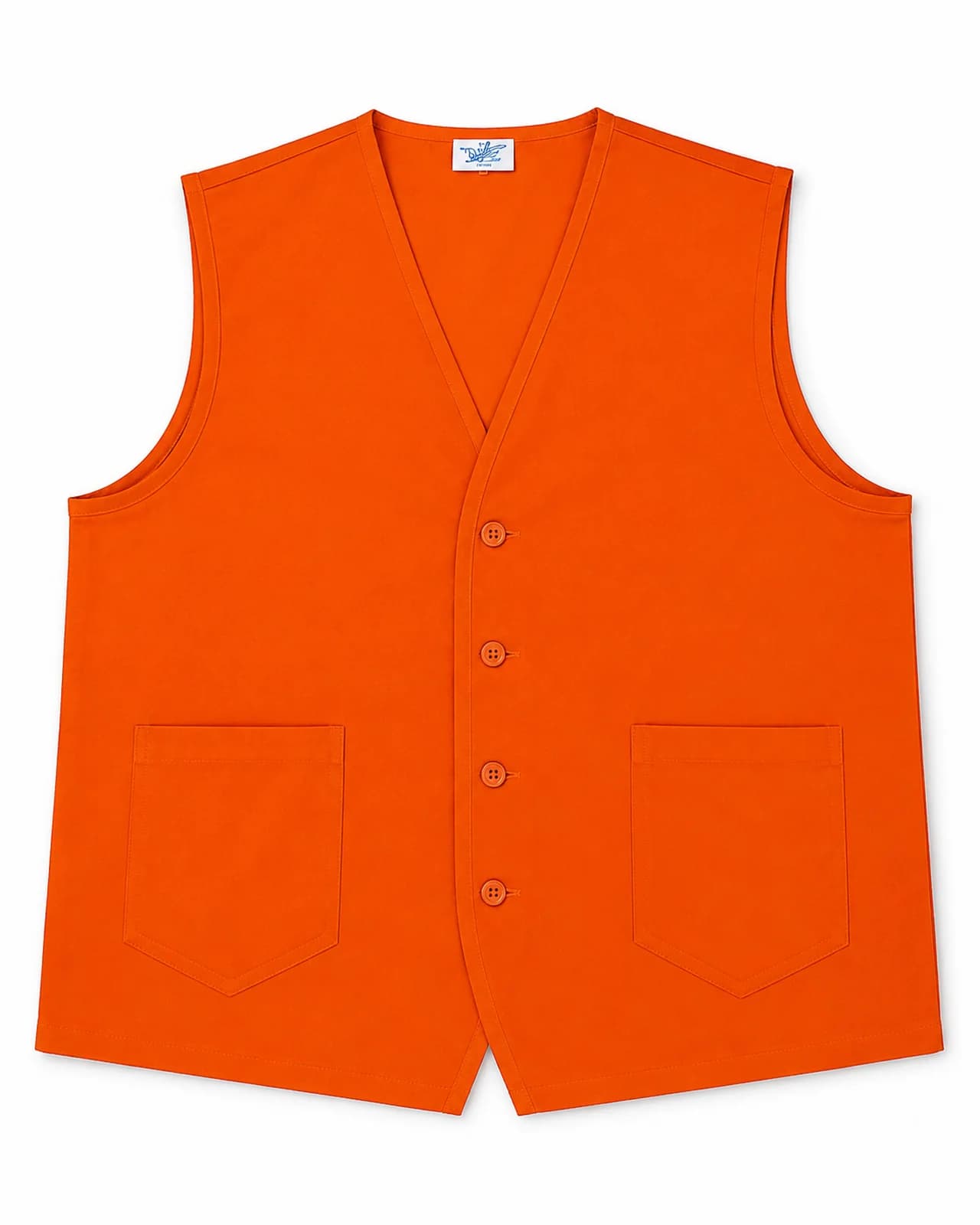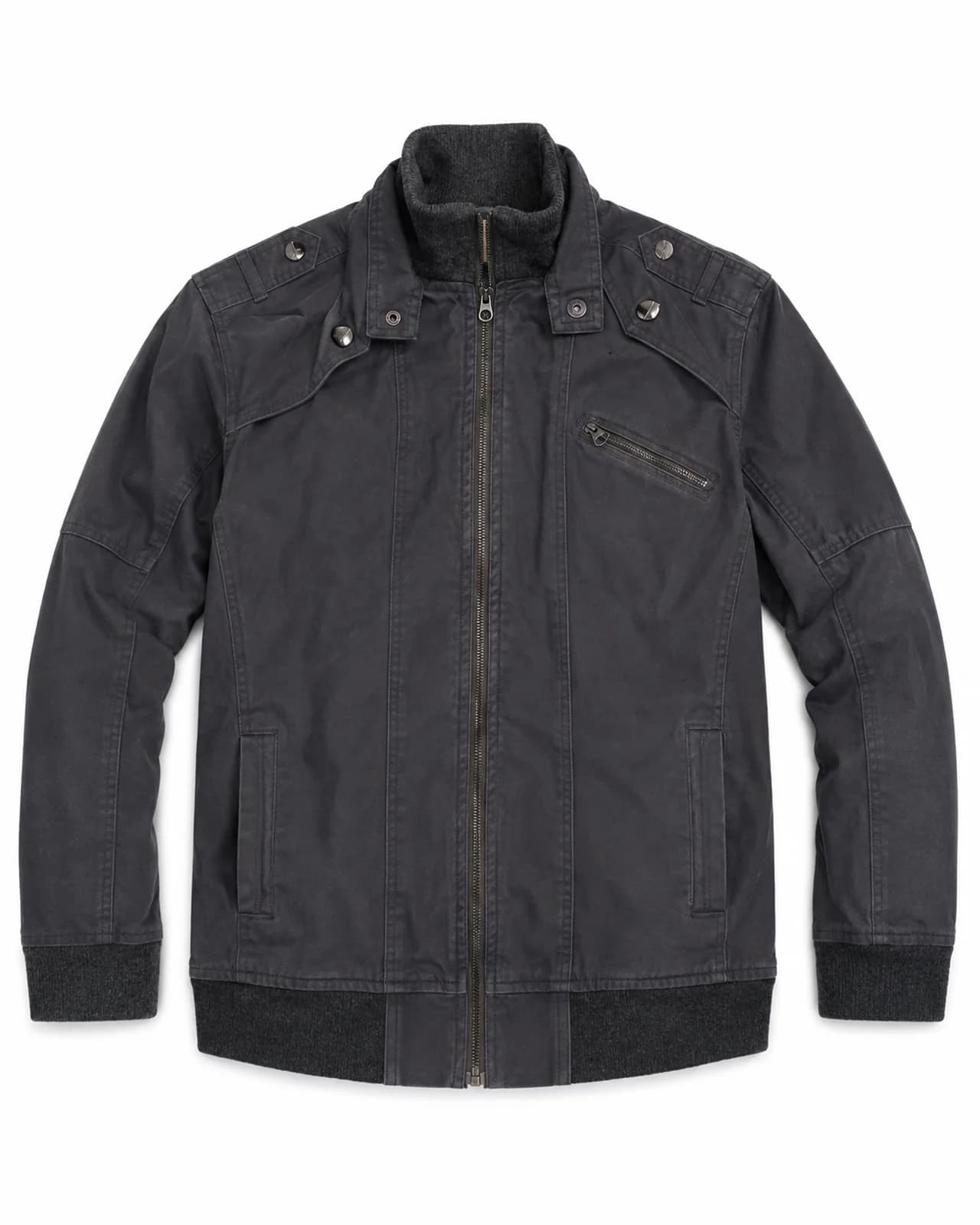
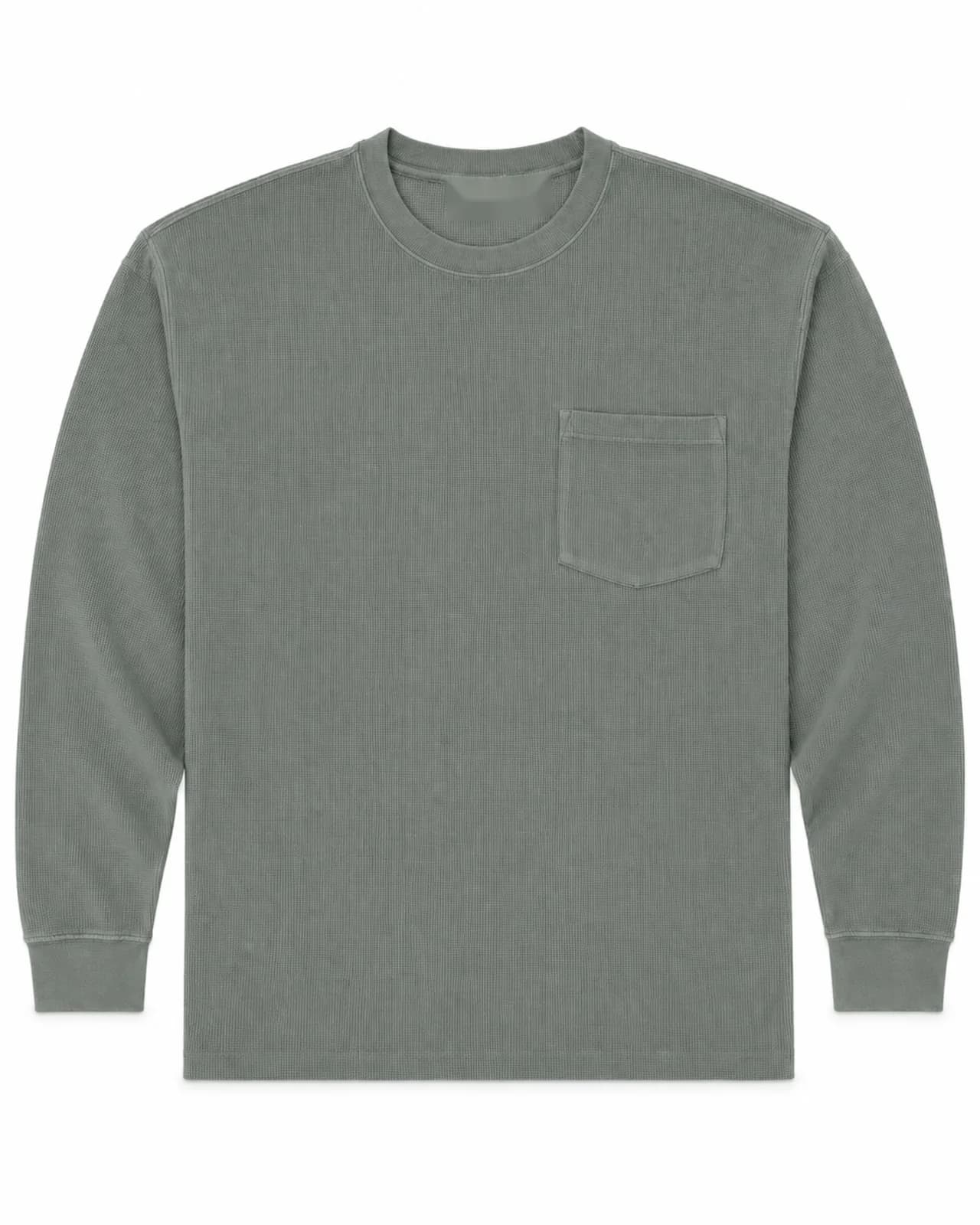
Crewneck Sweatshirt
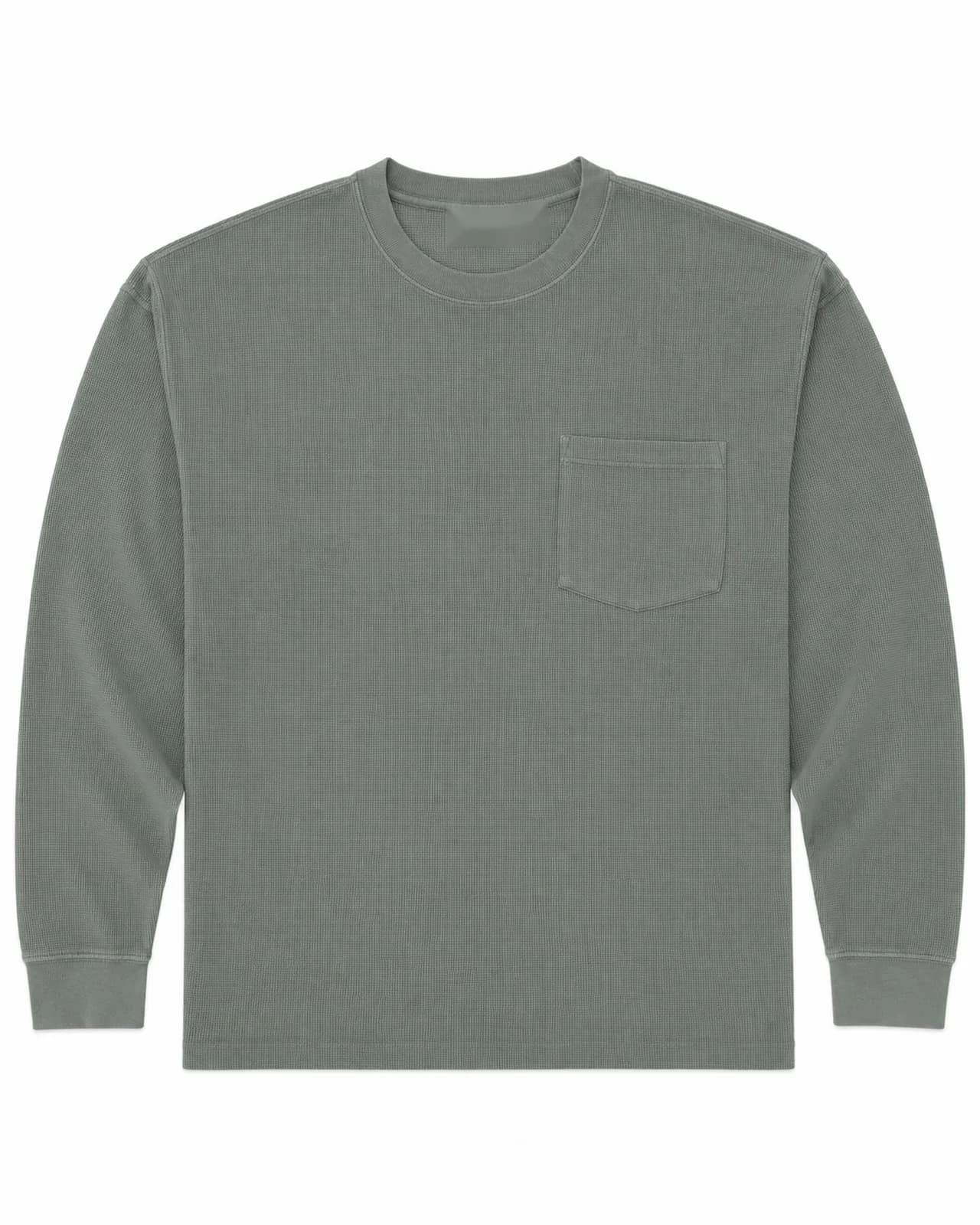
Rib neck, cuff and hem, set-in or raglan sleeve
Representative article
Products: 03
Sweatshirts, hoodies and full-zip fleece: the layer that gets worn outside the building, which makes it the most visible garment in the program.
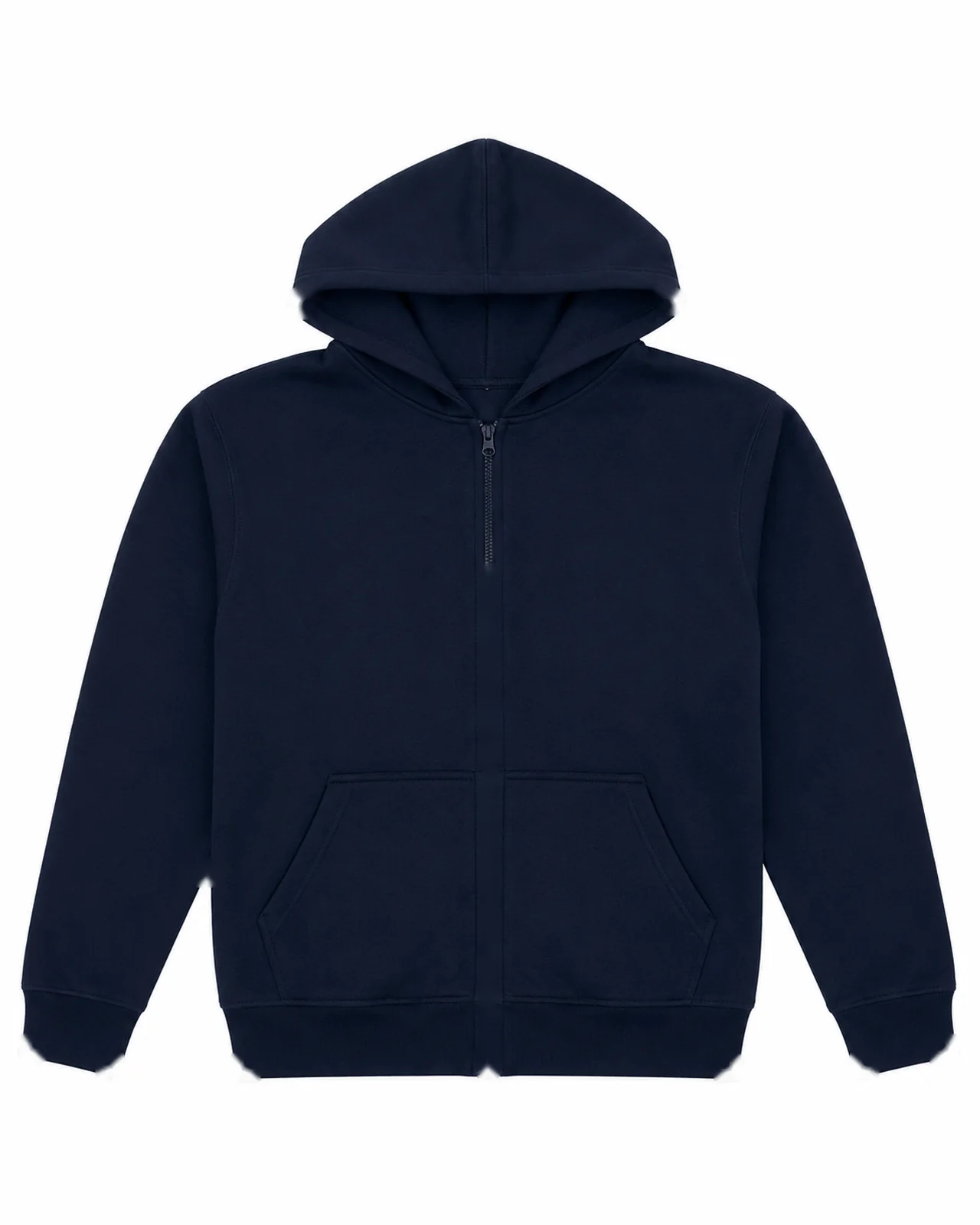
Product types
Rib neck, cuff and hem, set-in or raglan sleeve
Representative article
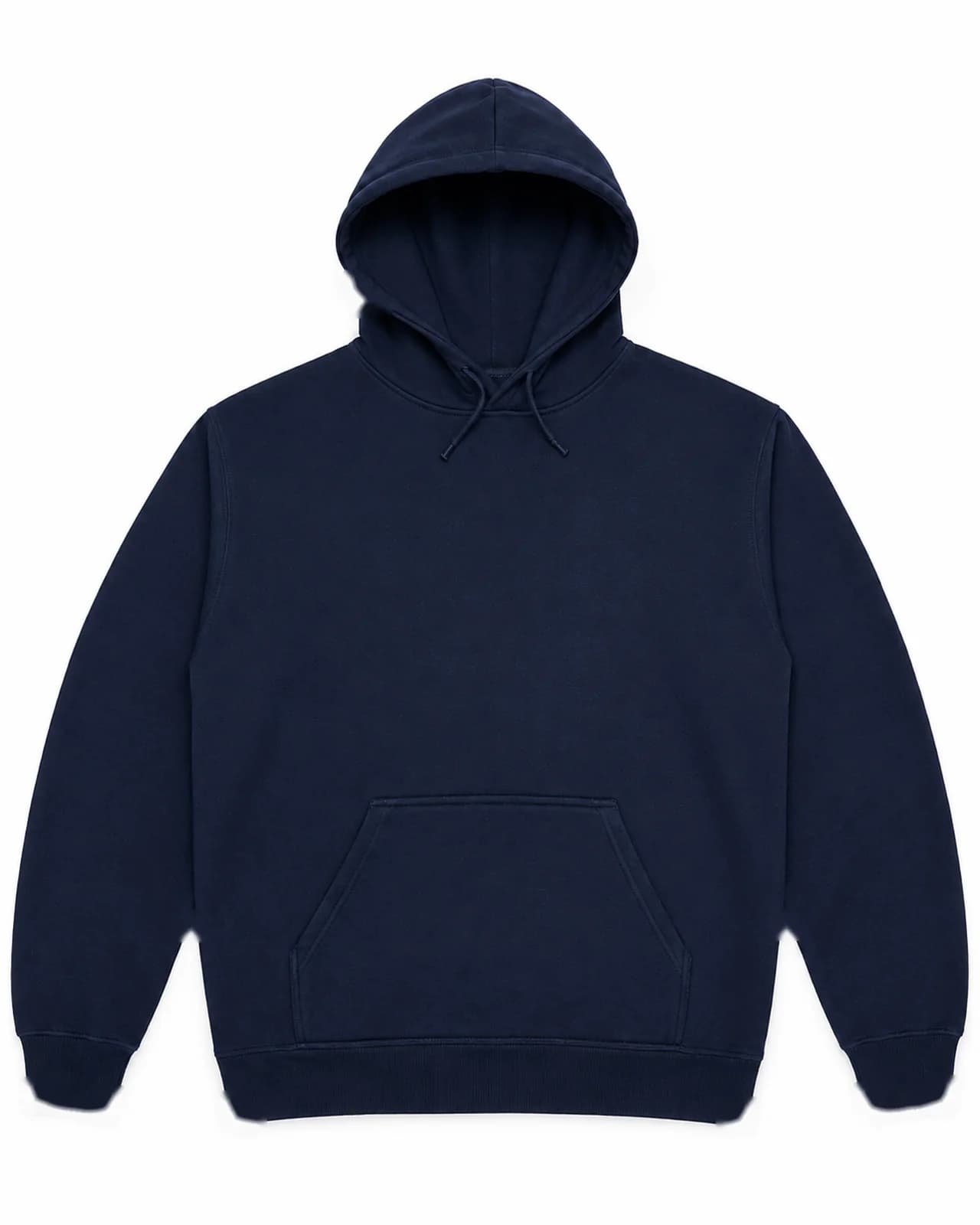
Lined hood, kangaroo pocket, metal-tipped drawcord option
Representative article
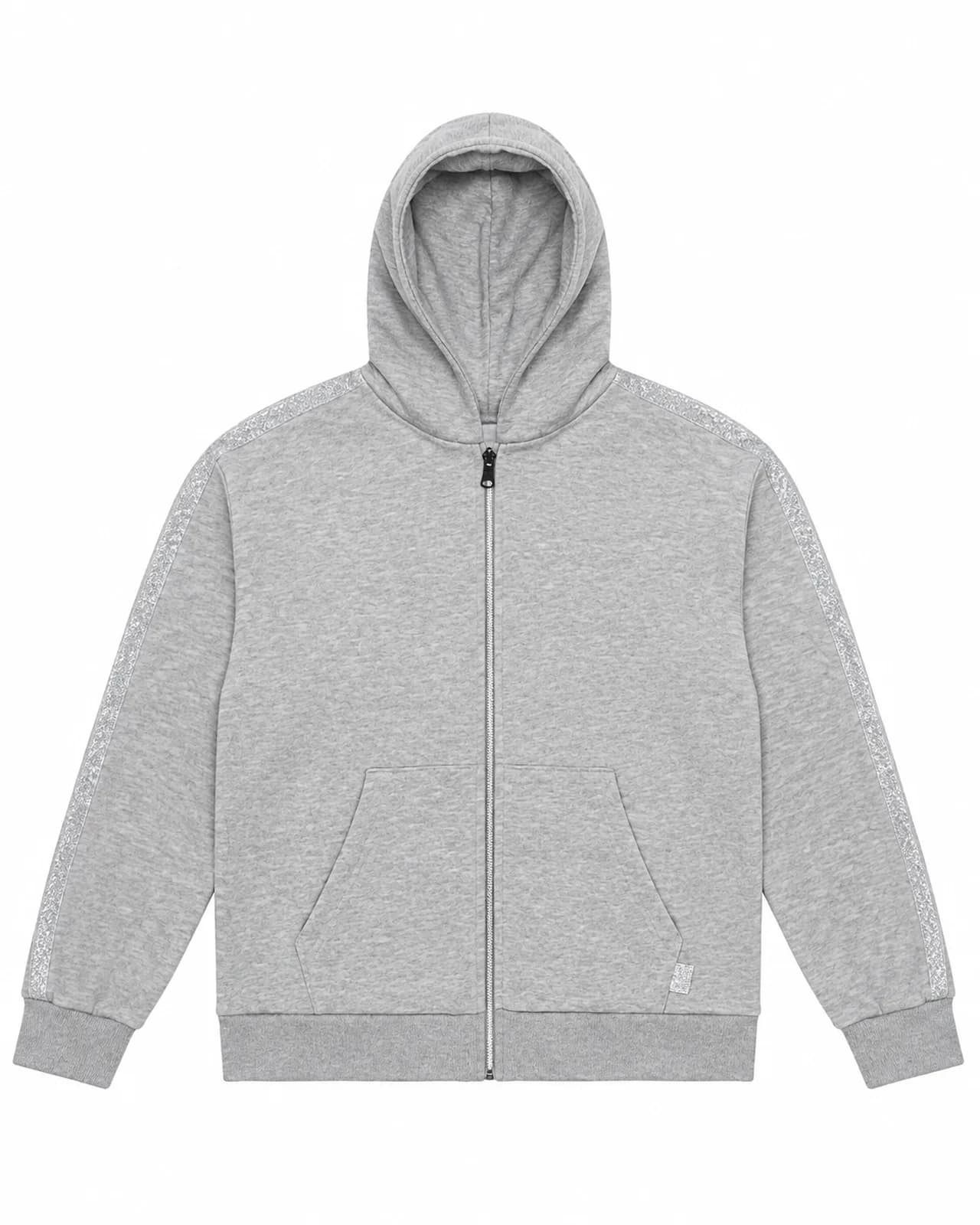
Anti-pill face, chin guard, zip pockets
Representative article
Specification
These are the fields resolved during development. Where a value depends on your program, we say so rather than publishing a number that would not survive contact with your specification.
Weights shown are typical ranges for this product class, given for orientation only. Final composition, weight, construction and finish are confirmed against your specification during development.
Approved as a strike-off or sew-out on the bulk fabric before production, not after.

Production samples
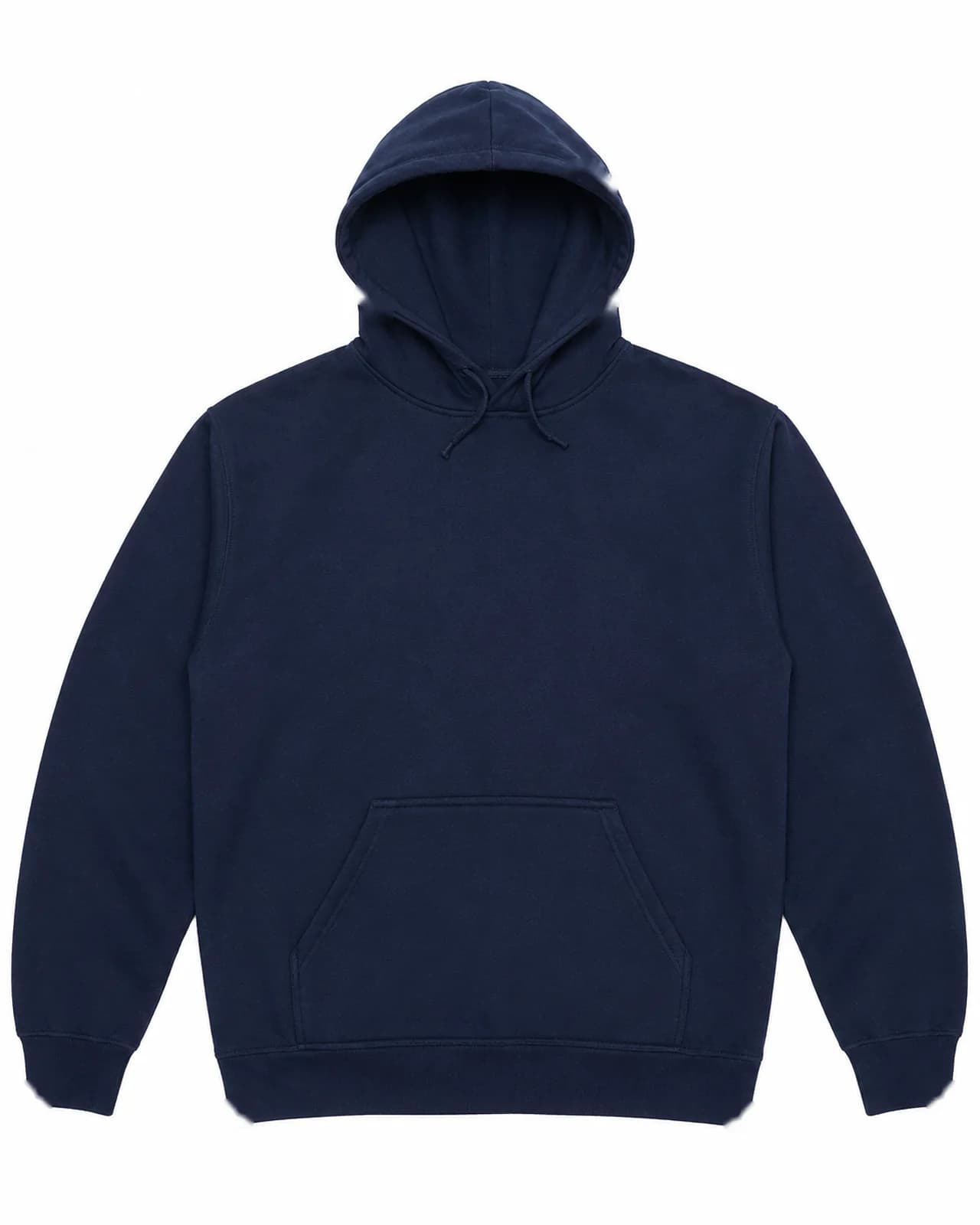
Articles produced to buyer specification, shown as construction references.
Development
The first five stages decide most of the cost. After approval, production is execution against a document you have already signed.
We review the specification, reference garment or sketch and come back with the questions that would otherwise surface as a failed first sample.
Materials are matched to the requirement and presented with the commercial consequence of each option attached.
FOB costing is built against the confirmed construction, materials, decoration, packing and quantity.
Proto and fit samples are produced against the specification, with a written comment sheet at every round.
Fit, measurements, colour and decoration are approved and locked as the reference for bulk.
Applications
Buyer questions
It depends on how the garment is worn. Lighter brushed fleece suits an indoor layer worn most of the day; heavier weights suit outdoor or cold-store work. Weight also drives freight cost, so it is worth deciding against the actual wear pattern rather than defaulting to the heaviest option.
By selecting an anti-pill fabric and confirming it through testing rather than by adjusting construction. Pilling is a fabric property; if the program will be laundered hard, that should drive the fabric decision at development.
Yes. They share the body pattern and fabric, so developing them together is more efficient than treating them as separate styles, and it keeps the two consistent in the program.
Both are loopback knits. French terry leaves the loops unbrushed, giving a lighter, smoother garment. Brushed fleece raises the loops into a soft pile, which is warmer and bulkier. Terry suits transitional layers; brushed fleece suits warmth.
With backing selected for the pile, and a sew-out approved on the actual bulk fabric before production. Embroidery that looks correct on a woven swatch can sink or pucker on fleece, so it is approved on the real substrate.
One style is enough to see how we work. Send a tech pack, a reference garment or a written requirement and we will come back on construction, materials and FOB costing.
Explore next
Uniform & Workwear manufacturing
Garments that have to survive a shift, a wash cycle and a reorder twelve months later looking like the first delivery.
Polos & T-Shirts manufacturing
The highest-volume item in most uniform programs, and the one where collar recovery and colour consistency across reorders decide whether a buyer stays.
Aprons manufacturing
The article AHM has documented export experience producing: a stain-managed poly-cotton bib apron for a United States uniform program.
Materials and fabric selection
Construction families, typical program weights, finishes and where each is used.
Quality assurance process
Where inspection happens and what is checked at each stage.
FOB export from Port Qasim
Documentation, packing, carton marking and handover.