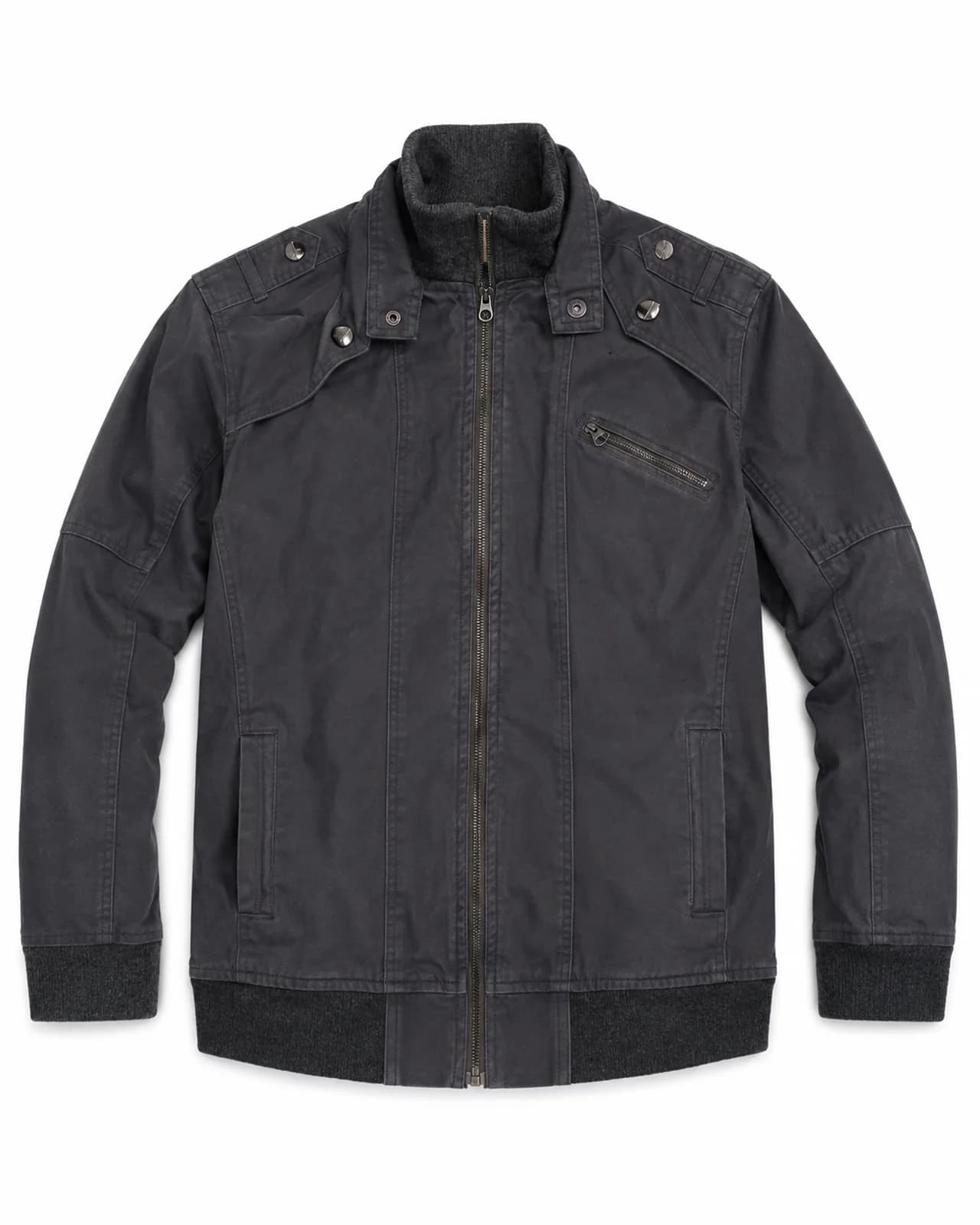
Industries: Industrial
Abrasion resistance, reinforcement at stress points, and visibility requirements where they apply.
The requirement
Industrial workwear is specified against a hazard and a wear pattern rather than against an aesthetic. Abrasion, snagging, heat and visibility requirements vary by site, and the program has to be built for the specific one.
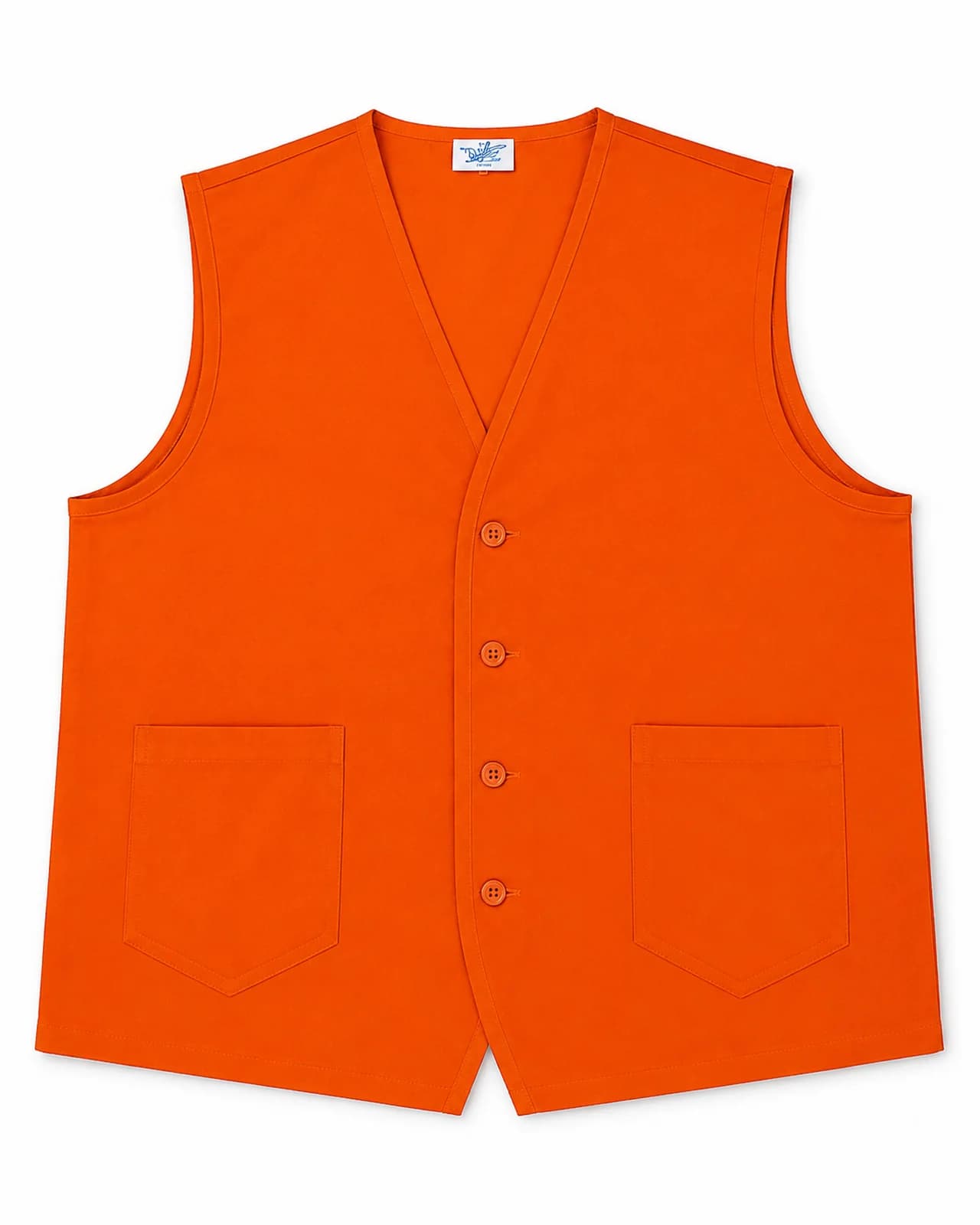
Visibility requirements in particular are governed by standards that vary by market, and conformity is a testing question rather than a manufacturing claim.
The most useful thing a buyer can supply here is the standard the program has to meet, plus a worn-out example of the garment being replaced. The failure points on that garment say more than a specification usually does.
Who wears the program
- Production and assembly
- Warehouse and logistics
- Maintenance and engineering
- Yard and external operations
- Supervision
Typical garments
- Hi-vis vests
- Work shirts
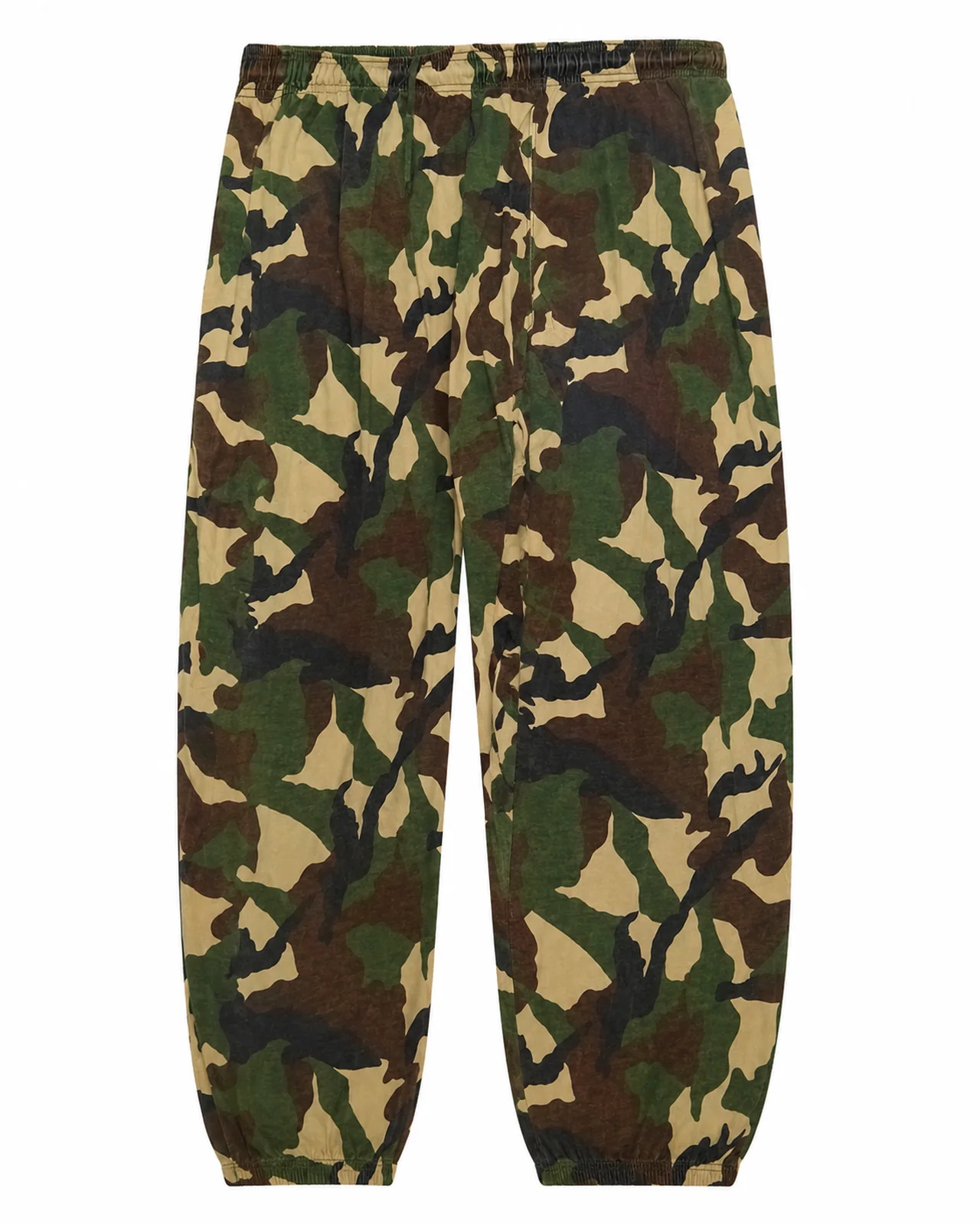
- Work trousers
- Outerwear
- Caps
Program design
- Fabric
- Heavier poly-cotton twill, canvas and ripstop for shells. Where visibility is required, fluorescent base fabric and reflective tape to the nominated standard. Stretch woven where the work is physically demanding.
- Durability
- The primary requirement. Double-layer or reinforced knees, gussets, bar tacks, heavier thread and higher stitch density at stress points, specified against the actual wear pattern.
- Comfort
- Heavier fabrics reduce movement, so panelling and gussets matter more as weight increases. Breathability declines with density, which is a trade-off worth making deliberately rather than by default.
- Decoration
- Applied patches and embroidery for identification, reflective tape to the specified configuration. Decoration placement has to avoid interfering with reflective tape coverage.
- Sizing
- Inclusive ranges with allowance for base layers underneath in colder sites. Part-elasticated waistbands widen fit across a mixed workforce.
- Replenishment
- Replaced on condition, often frequently. Consistency across reorders keeps a site's workforce looking uniform even as garments are replaced individually.
- Packing
- Solid-packed by size, polybagged, cartoned and marked to the site or contractor requirement.
Buyer questions
We produce garments with fluorescent fabric and reflective tape to the configuration a buyer specifies. Conformity to a visibility standard depends on the fabric, the tape and approved testing, and must be nominated and confirmed by the buyer. We do not state conformity we cannot evidence.
A worn-out example of the garment being replaced. Where it failed tells us more about the real requirement than a specification usually does, and it lets us target reinforcement where it will actually extend service life.
Heavy enough for the wear pattern and no heavier. Weight beyond what the hazard requires reduces movement, reduces breathability and raises freight cost without extending useful life.
Send the articles you need and the environment they will be worn in. We will come back on fabric, construction and commercial FOB costing for the whole program.