Industries: Facilities
Durability and identification across mixed indoor and outdoor work.
The requirement
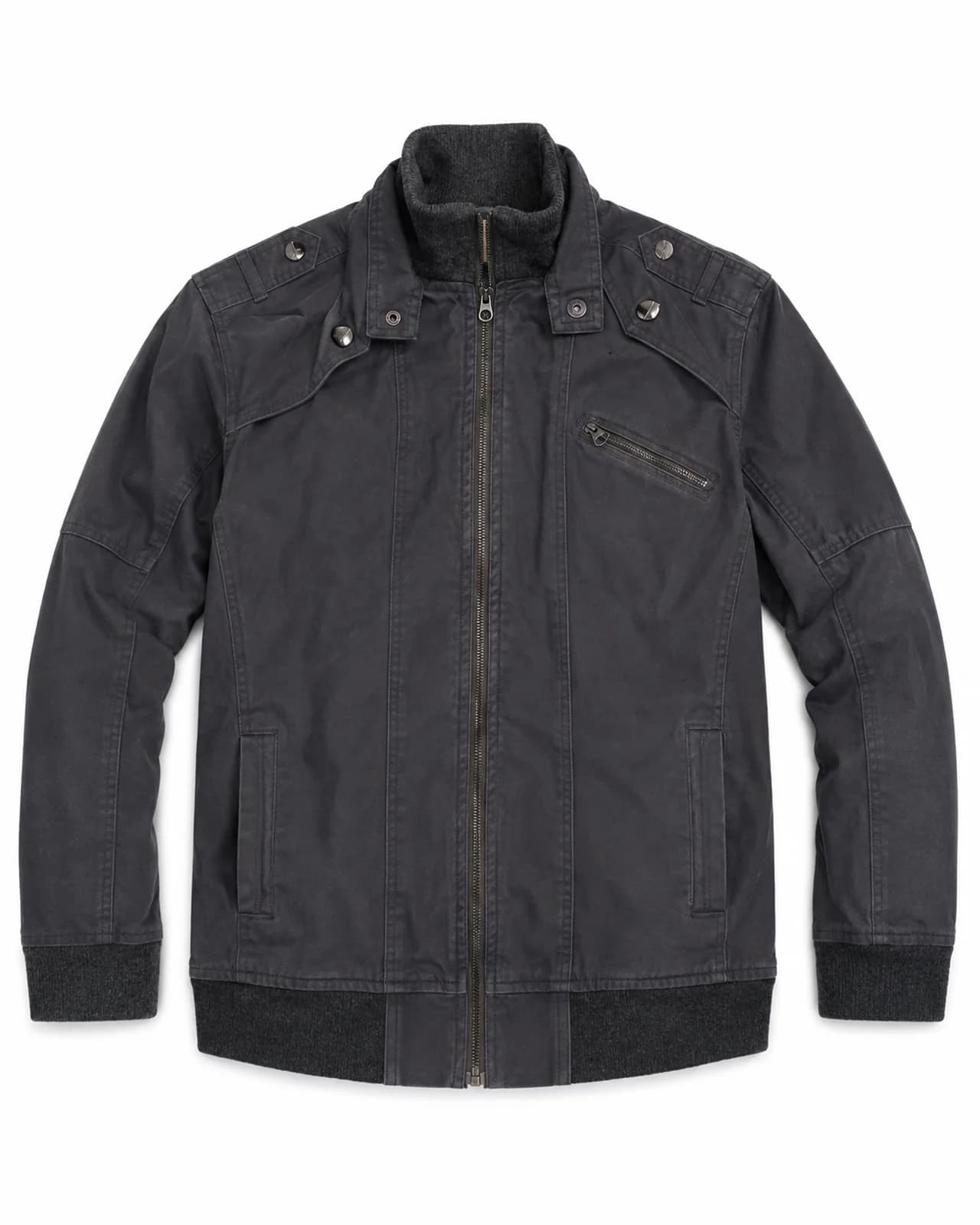
Facilities teams work across indoor and outdoor conditions in the same shift, often on multiple client sites, and are frequently the only visible representation of their employer on a customer's premises.
That produces two competing requirements: the program must be hard-wearing enough for physical work and presentable enough for a client-facing environment.
Layering is usually the answer. A durable base garment with a jacket or fleece that carries the identification, so the presentable layer is the one that gets replaced when it wears.
Who wears the program
- Cleaning and janitorial
- Maintenance and engineering
- Grounds and external
- Security
- Site supervision
Typical garments
- Work jackets
- Work shirts
- Work trousers
- Fleece
- Hi-vis
Program design
- Fabric
- Poly-cotton twill and canvas for shirts and trousers. Polar fleece or softshell for the outer layer. Where the work moves outdoors, a water-repellent finish is worth specifying on the outer layer only rather than throughout.
- Durability
- Reinforcement at knees, pocket mouths and seat. Bar tacks at stress points and a gusset where the work involves climbing or kneeling.
- Comfort
- Movement range and temperature regulation across indoor and outdoor work. Stretch woven fabrics are worth considering where the work is physically active.
- Decoration
- Embroidery or applied patches for company identification, plus reflective tape where the work involves vehicles or low light. Identification usually goes on the outer layer so it stays visible.
- Sizing
- Inclusive ranges with generous movement allowance, and part-elasticated waistbands to widen fit across a mixed workforce.
- Replenishment
- Programs are replaced by condition, with the outer layer usually turning over faster than the base. Specifying them as one program keeps the identification consistent.
- Packing
- Folded and polybagged, solid-packed by size, cartoned and marked to the employer's or contractor's instruction.
Buyer questions
By layering. A base shirt and trouser specified for durability, plus a fleece or softshell that carries the identification. That way the outer layer is what gets replaced as it wears, and the identification stays consistent.
Yes, to the configuration you specify. Where a program has to conform to a visibility standard, that standard must be nominated by the buyer and confirmed through approved testing. We do not claim conformity we cannot evidence.
At the knee, the pocket mouth and the crotch seam. Reinforcement at those three points extends service life more effectively than raising the fabric weight across the whole garment.
Send the articles you need and the environment they will be worn in. We will come back on fabric, construction and commercial FOB costing for the whole program.