Industries: Events
Volume delivered to a fixed date, with decoration accurate to the brand standard.
The requirement
Event apparel is defined by a fixed date. The garment has to be brand-accurate and delivered before the event, and no amount of quality compensates for arriving after it.
That changes the development priority: simplicity and fabric availability matter more than construction sophistication, because both are what protect the date.
Volumes are often large but single-run, so decisions that would be amortised across a long program (bespoke fabric development, complex trims) are usually the wrong trade here.
Who wears the program
- Event and venue staff
- Brand ambassadors
- Volunteers and crew
- Hospitality and catering teams
- Security and marshals
Typical garments
- T-shirts
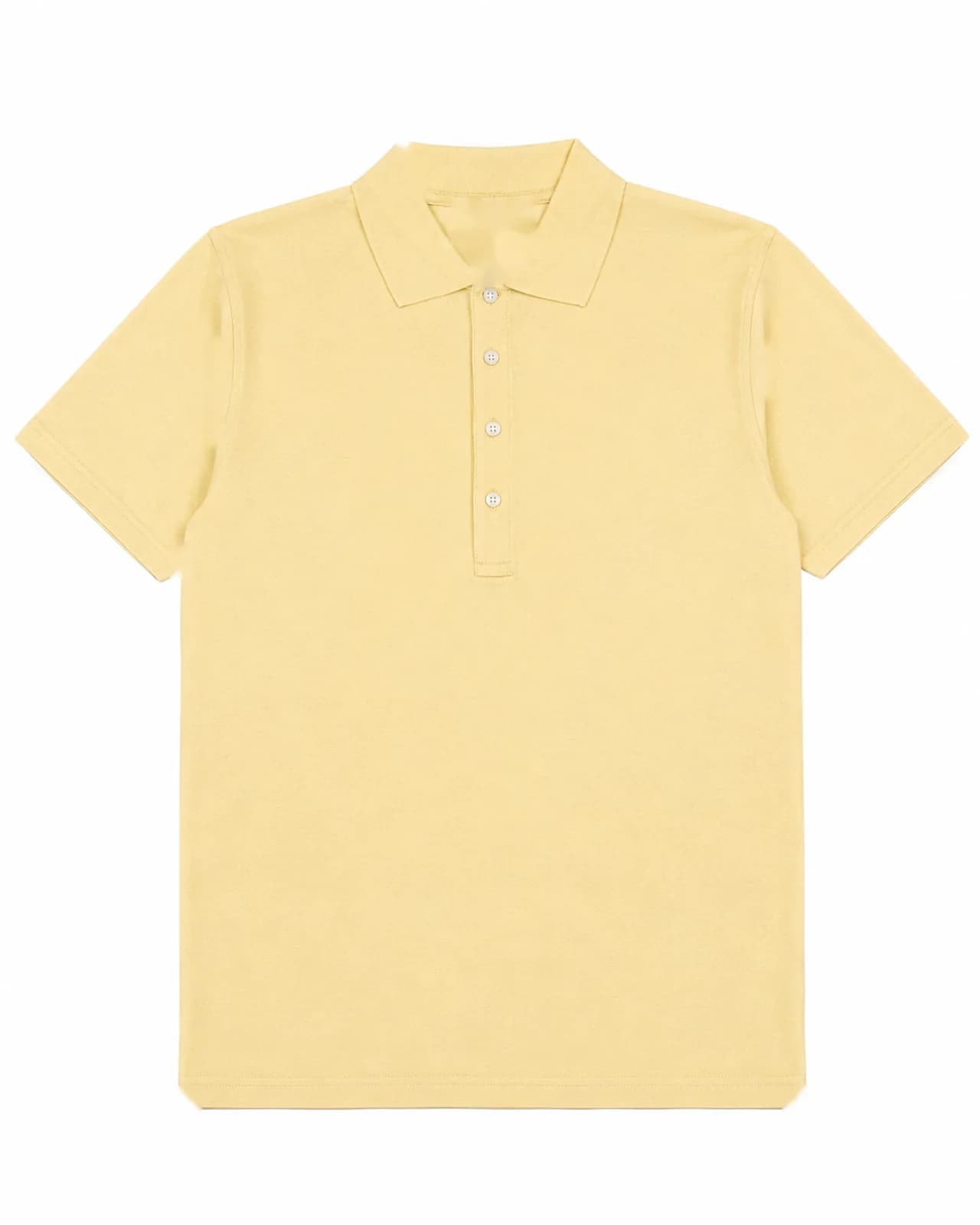
- Uniform polos
- Hoodies
- Caps
- Vests
Program design
- Fabric
- Single jersey and pique for tees and polos, standard fleece for layers. Widely available constructions in achievable colours protect the schedule; a bespoke fabric development does the opposite.
- Durability
- Lower requirement than a wear-daily program. Appearance on the day and through a handful of washes is usually the realistic standard, and over-specifying durability adds cost without benefit.
- Comfort
- Long shifts, often outdoors and standing. Breathability and weight are worth more than premium hand feel.
- Decoration
- Usually the point of the garment. Screen print for large graphics and volume, embroidery where a more permanent look is wanted, with colour matched to the brand standard and approved before production.
- Sizing
- Broad unisex ranges keep allocation simple where staff sizes are not known in advance. Where they are, ratio packing by size is more efficient.
- Replenishment
- Typically none: a single run against a date. Which is exactly why the specification should be locked early.
- Packing
- Ratio-packed by size for on-site distribution, or solid-packed where the client allocates centrally. Carton marking to the event or venue requirement.
Buyer questions
Locking the specification early, choosing a fabric that is available rather than one that has to be developed, and keeping decoration to routes that do not need extended approval. Most missed event dates are caused by late specification changes, not by production.
Usually not. Event apparel is typically worn a handful of times, so specifying for multi-year durability adds cost and weight, and weight adds freight, without any benefit the client will see.
Feasibility against a fixed date depends on the article, the fabric and the decoration. We confirm it against your specification and schedule during commercial discussion rather than publishing a capacity figure.
Send the articles you need and the environment they will be worn in. We will come back on fabric, construction and commercial FOB costing for the whole program.