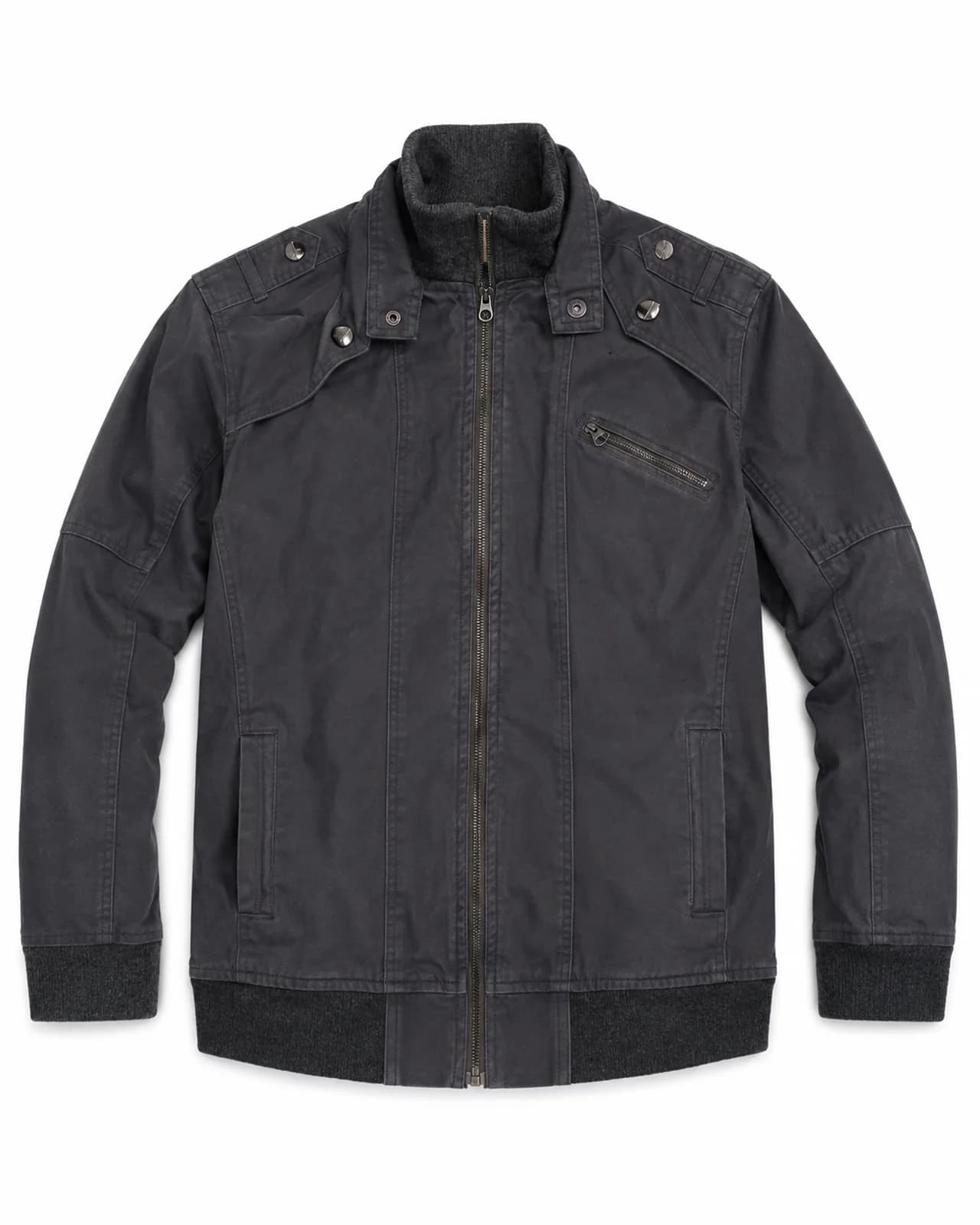
Industries: Food Service
Heat, grease and repeated industrial laundering, without the garment losing shape or shade.
The requirement
Kitchen garments face heat, grease, frequent industrial laundering and, in many operations, bleach. That combination degrades fabric faster than any other uniform environment, and it makes fabric selection the dominant decision.
Chef wear also carries safety requirements that ordinary uniforms do not: coverage, closure type and the ability to remove a garment quickly all matter on a hot line.
The commercial consequence is that cost per wear, not unit price, is the right measure. A cheaper coat that greys and thins in six months costs more than a heavier one that lasts two years.
Who wears the program
- Kitchen and line cooks
- Head chefs
- Prep and dish
- Counter service
- Catering teams
Typical garments
- Chef coats
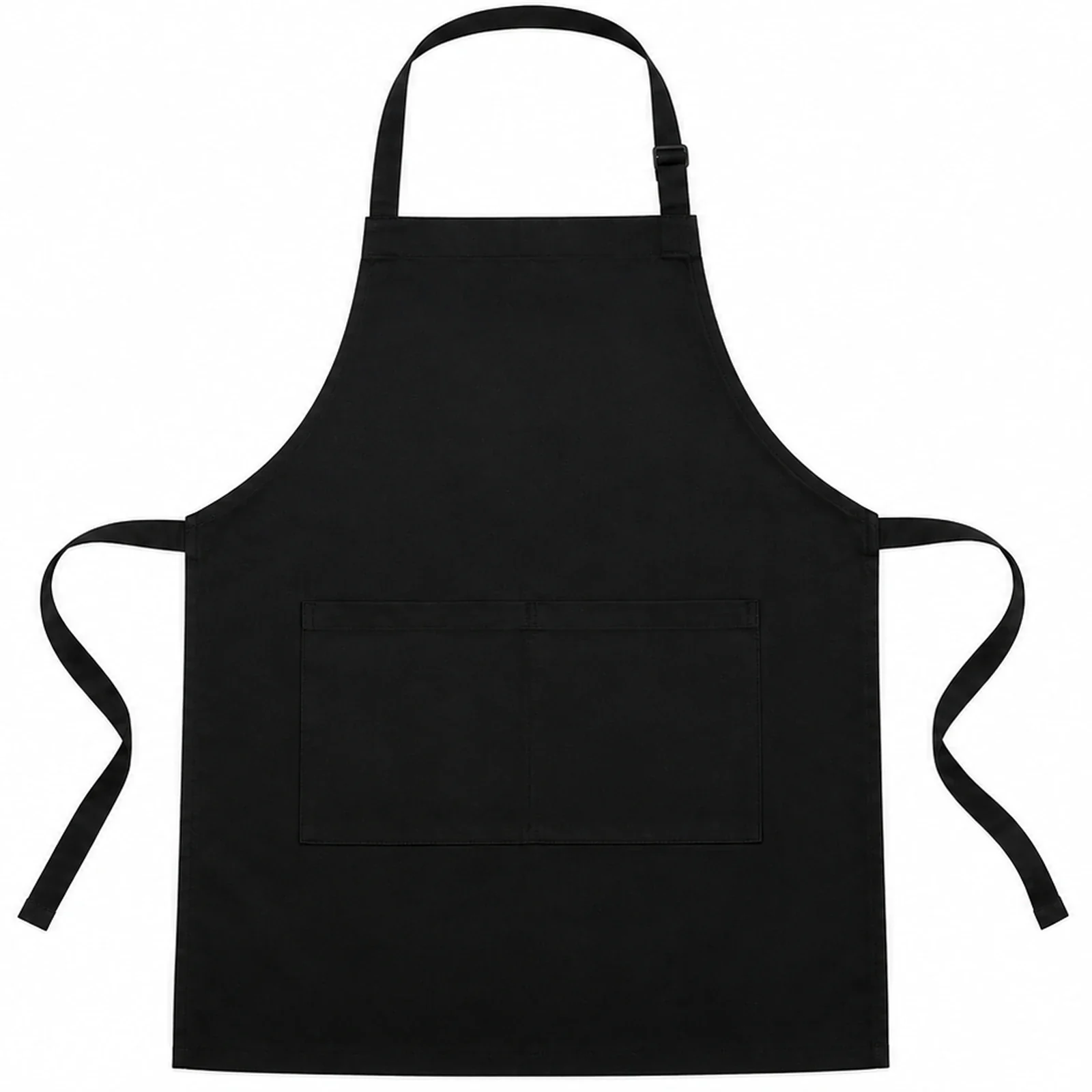
- Bib aprons
- Chef beanies
- Work trousers
- Tees
Program design
- Fabric
- Poly-cotton blends for chef coats, weighted for durability against laundering rather than for softness. Poly-cotton twill for aprons, with stain-release finishing where the operation justifies it. Whiteness retention through industrial washing is a specific fabric property worth confirming by testing.
- Durability
- Reinforcement at closures, pocket mouths and apron strap attachments. Stitch and thread specified for high-temperature industrial laundering, which degrades thread faster than domestic washing.
- Comfort
- Ventilation matters more here than anywhere else in uniform. Vented backs and underarms, and constructions that allow heat to escape, materially affect whether kitchen staff keep the garment on and buttoned.
- Decoration
- Embroidery on chef coats and aprons, usually restrained and positioned to survive laundering. Heat transfer is generally a poor fit for kitchen laundering cycles and is worth avoiding unless tested.
- Sizing
- Inclusive ranges with generous movement allowance. Chef coats in particular need room across the back and shoulder without becoming loose at the front.
- Replenishment
- Kitchen garments are replaced on condition rather than on a schedule, so programs need to support frequent small reorders to the same standard.
- Packing
- Folded and polybagged, solid-packed by size for kitchen allocation. Carton marking to the operator's requirement.
Buyer questions
It depends on the laundering method and how hot the kitchen runs. Heavier poly-cotton survives industrial washing longer and holds whiteness better; lighter constructions are more comfortable on a hot line but wear out faster. The right answer follows the actual wash cycle, so it is worth telling us what that is.
Their durability varies by finish and by wash cycle, which is why we confirm it by testing against the program's actual laundering rather than treating it as permanent. A finish that performs well domestically may not survive high-temperature industrial washing.
Yes. Back and underarm venting, mesh panels and closure type are all specified during development. In hot kitchens ventilation is the feature staff notice most.
Send the articles you need and the environment they will be worn in. We will come back on fabric, construction and commercial FOB costing for the whole program.