Industries: Hospitality
Front-of-house presentation held through a full shift, with colour matched across article types.
The requirement
Hospitality uniforms are judged the way the venue is judged, by how they look at the end of a shift, not the start. Presentation held over eight hours is the requirement, and it is largely a fabric and finishing question rather than a construction one.
Hospitality programs also mix article types more than most: a waist apron, a woven shirt, a knit polo and a tie may all need to read as the same colour despite being made from four different fabrics.
That cross-article colour matching is the part that most often goes wrong, and it is decided at development rather than at inspection.
Who wears the program
- Front of house and service
- Bar and beverage
- Housekeeping
- Concierge and reception
- Events and banqueting
Typical garments
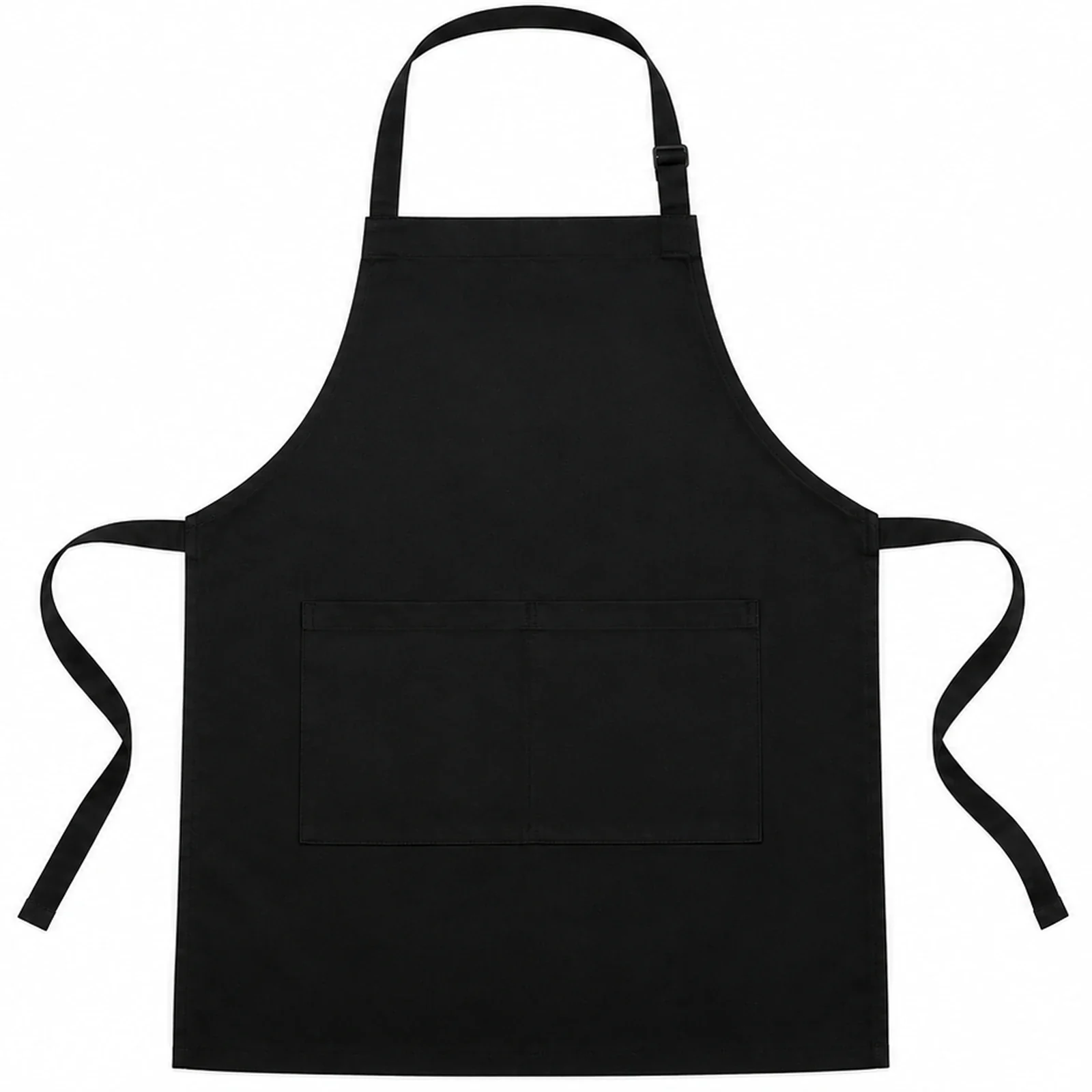
- Waist aprons
- Service shirts
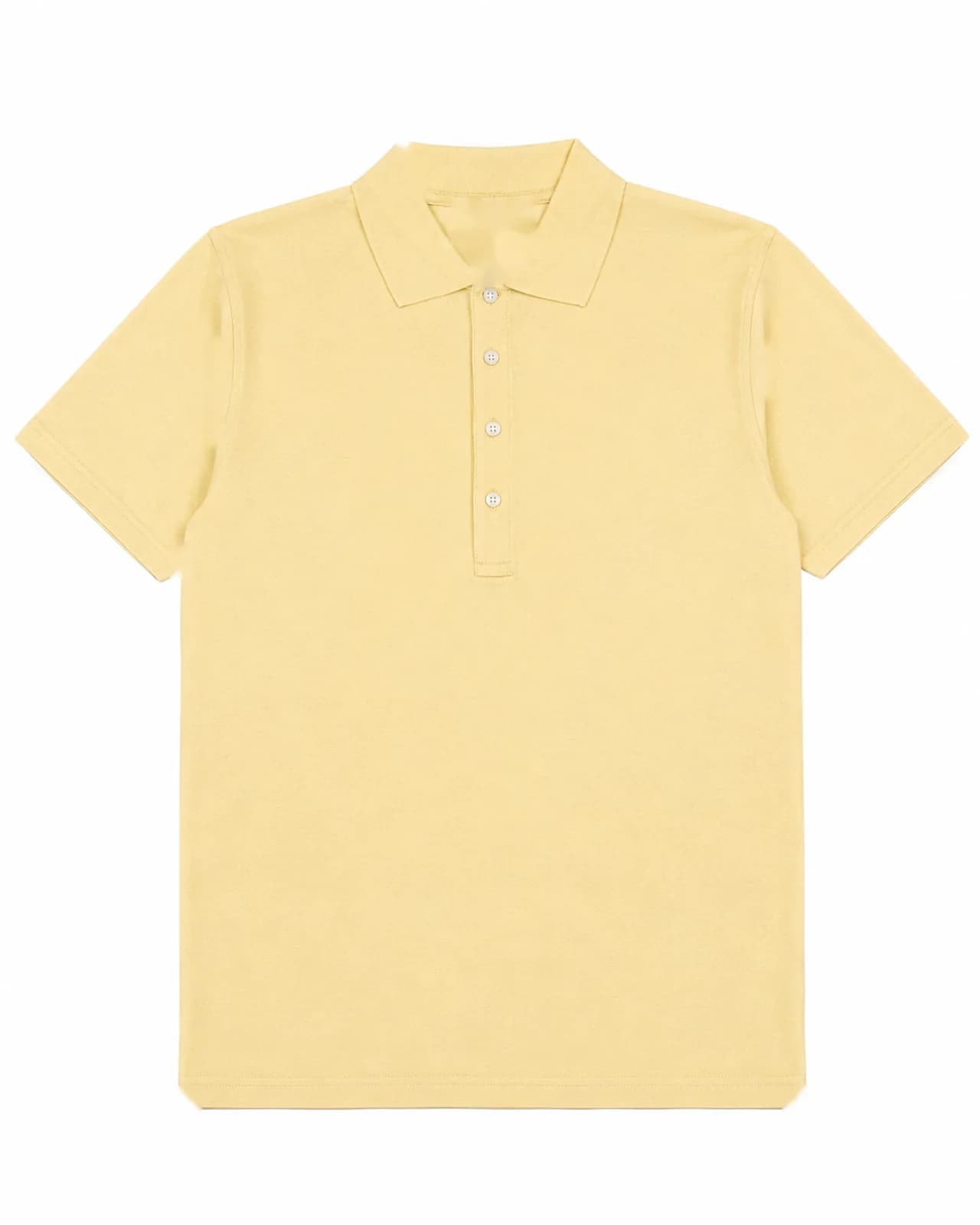
- Uniform polos
- Ties
- Bottoms
Program design
- Fabric
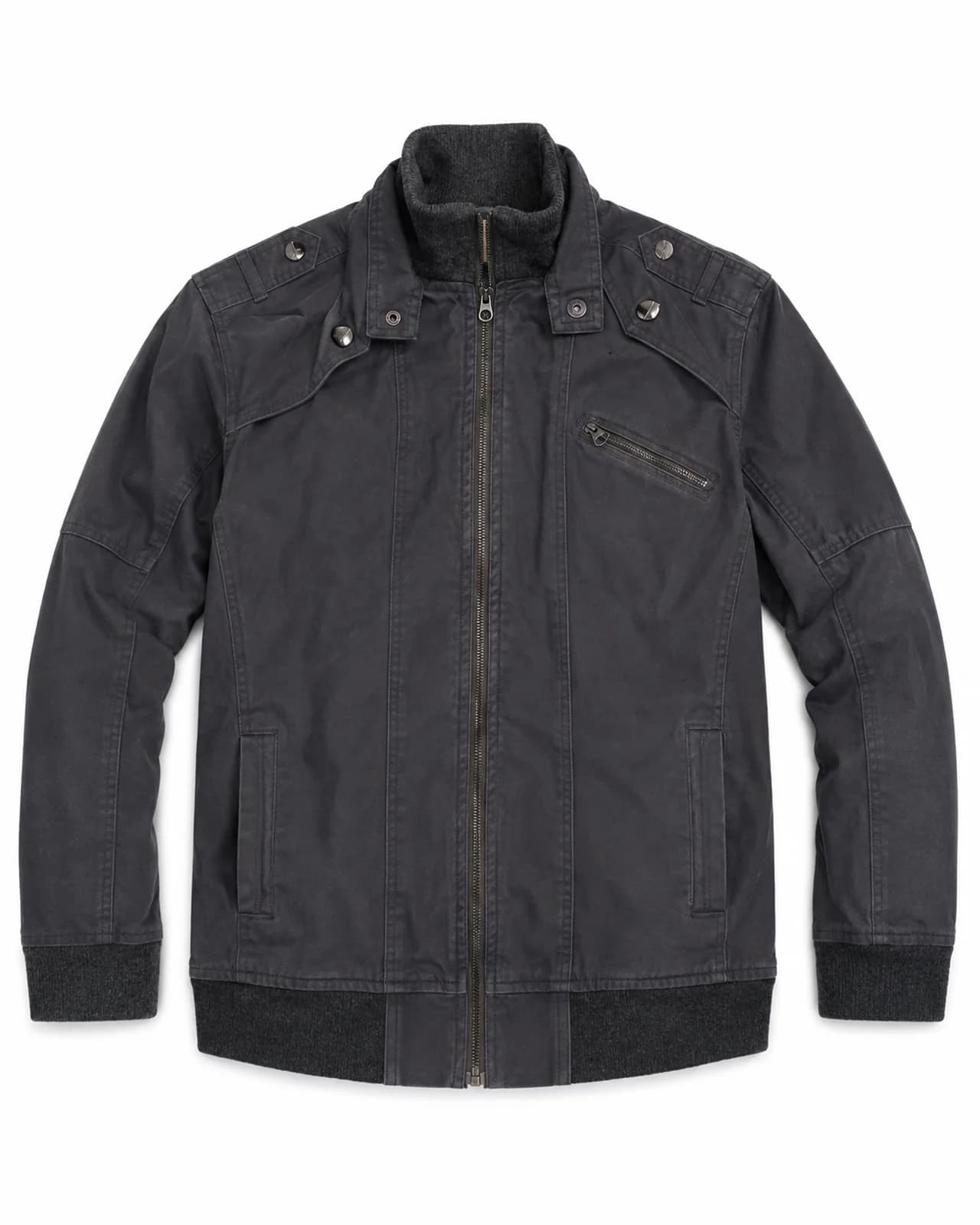
- Poly-cotton poplin and twill for service shirting, chosen for crease recovery. Poly-cotton twill for aprons. Pique for polos where a more relaxed service look is wanted. Polyester-rich blends hold press better through a shift.
- Durability
- Reinforcement at apron strap and pocket points, and secure closures on shirting. Hospitality laundering is frequent and often industrial, so shrinkage control matters as much as abrasion resistance.
- Comfort
- Breathability in warm service environments, and a cut that allows carrying and reaching. Where staff move between kitchen heat and air-conditioned dining, the layer weight has to work in both.
- Decoration
- Usually restrained: embroidered logos on chest or apron bib, woven badges, or a tonal mark. Placement is specified per article so the logo sits identically whether the garment is a shirt, a polo or an apron.
- Sizing
- Separate men's and women's blocks are common in front of house, where fit is part of presentation. Adjustable apron hardware widens the fit range without adding sizes.
- Replenishment
- High staff turnover means frequent partial reorders. Programs are specified so a small repeat can be produced to the same standard as the original run.
- Packing
- Folded with collar support for shirting, or hung where presentation matters on arrival. Polybagged individually, cartoned to the venue's or group's packing instruction.
Buyer questions
By approving them against each other, not separately against the standard. Woven and knit fabrics take dye differently, so a program mixing both is cross-approved at lab dip stage. Otherwise the polo and the shirt read as two different colours under venue lighting.
Yes, and it is usually more efficient to develop them together. Shared fabric and a single colour approval across bar, service and housekeeping articles keeps the whole program consistent and simplifies reordering.
Fabric choice and finishing more than construction. A polyester-rich poplin with an easy-care finish holds its press considerably longer than a cotton-rich equivalent, at the cost of some breathability, which is the trade-off worth deciding deliberately.
Send the articles you need and the environment they will be worn in. We will come back on fabric, construction and commercial FOB costing for the whole program.