Buyer guide
What separates a supplier who can make an apron from one who can run an apron program: the questions to ask, the evidence to request, and the test that settles it.
In short
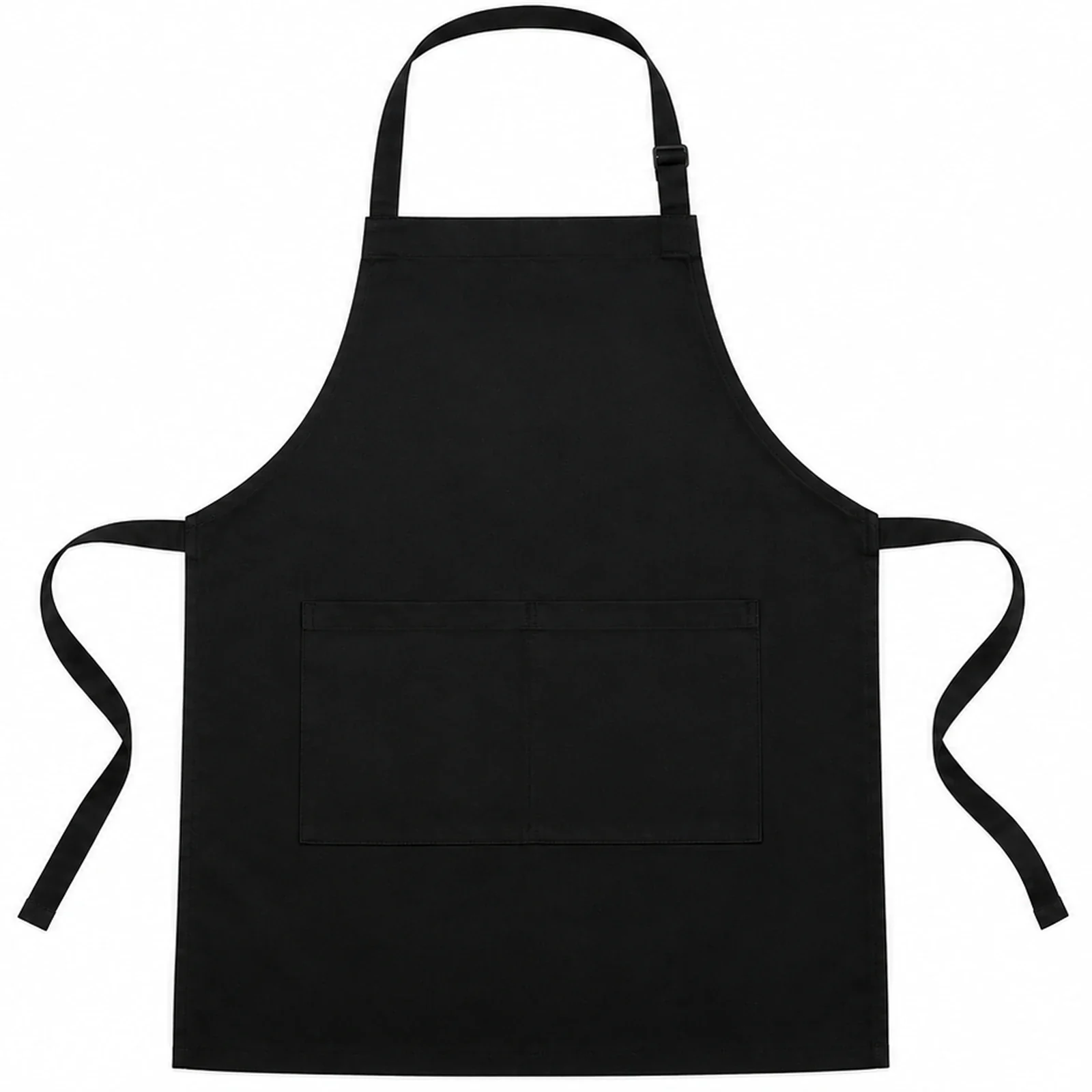
Judge an apron manufacturer on four things: whether they question your construction (pockets, straps, reinforcement, fabric) before quoting, whether their quotation is itemised enough to compare, whether a sample made to your specification survives your own wash test, and whether they can evidence export experience in the product. A low first price on an under-specified apron is the commonest way a program goes wrong.
7 min read
Reviewed by AHM International product development team
Last reviewed August 2026
What to look for
- Questions before a price
- A capable supplier asks about pocket layout, strap and tie configuration, hardware, fabric weight and finish before quoting. One that prices from a photograph alone is pricing a guess.
- Construction they can explain
- Ask where they bar-tack and why. The answer should name pocket mouths and strap attachments, the points where aprons fail first.
- Fabric knowledge
- They should talk about composition, weight with a tolerance, and how a finish such as stain release changes shade and hand.
- Evidence of export
- Documented shipments in the product class, export paperwork they can show you, and no objection to your inspection agency.
- A quotation you can compare
- Fabric, construction, decoration, labels, packing and the Incoterm stated, so a second quotation can be checked against it line by line.
A practical shortlist process
- 01
Send the same brief to each
Identical specification, quantity and destination, so a difference in price is a difference in the offer.
- 02
Compare the questions, not only the prices
The supplier who asked about your strap hardware has read the brief.
- 03
Sample against your standard
Wash the sample the way your program will be laundered, and measure it against your size specification.
- 04
Check what the claims rest on
Registration, export records and inspection access. Ask for documents rather than reading certificates off a website.
- 05
Start with one style
A single style tests communication, sampling and bulk before a whole program depends on them.
Warning signs, and what they usually mean
| What you see | What it usually means |
|---|---|
| A price before any question about construction | The quotation assumes the cheapest answer to every open point. |
| A fabric weight with no tolerance | Bulk fabric can arrive lighter than the sample and still be described as in specification. |
| Certificates shown without numbers or expiry dates | The certificate may not exist, or may belong to someone else. |
| Reluctance about third-party inspection | The supplier does not expect the bulk to match the sample. |
| The same unit price at every quantity | Fabric minimums and setup have not been costed. |
Apply the same tests to us
AHM International has documented FOB export production of a 65/35 poly-cotton bib apron program to the United States, published as an anonymised case study. Everything above applies to AHM as much as to anyone else, and the verification page sets out how to check.
Related questions
Only if the quotations describe the same apron. Normalise fabric, weight, construction, decoration and packing first. The cheapest comparable quotation is a fair choice; the cheapest incomparable one usually is not.
Enough to see a range, few enough to give each a complete brief. Two or three serious quotations on an identical specification tell you more than many on a vague one.
Not always. A sample made to your specification and a third-party inspection before shipment answer most of what a visit would. For a large or long-running program, a visit is still worth making.
Send one specification and we will apply exactly this thinking to your style. Construction, materials and commercial FOB costing.
Explore next
Explore next
U.S. uniform apron program
The documented FOB bib apron record.
Apron manufacturing
Bib, waist and service aprons to specification.
Bib apron construction guide
Pockets, straps and reinforcement in detail.
How to compare quotations
Making two quotes describe the same garment.
Business verification
How to check AHM International.