Buyer guide
What a school uniform range includes, which fabrics survive the playground and the washing machine, sizing by age, crests and colours, children's safety rules, and the school-year calendar.
In short
A school uniform range usually covers polos or shirts, trousers, skirts or shorts, knitwear and outerwear, in the school's colours with an embroidered crest. Fabrics are chosen for durability and home washing (poly-cotton and polyester-viscose blends are common). Sizes run by age, and children's products must meet the destination market's safety rules. Timing matters most: stock must arrive before the new school year, so development starts many months earlier.
7 min read
Written by the AHM International product development team
Updated November 2026. Every worked figure is checked by automated tests.
The usual range
| Garment | Common fabric | Note |
|---|---|---|
| Polo or shirt | Poly-cotton pique or poplin | Embroidered crest, easy care |
| Trousers, skirts, shorts | Polyester-viscose or poly-cotton twill | Adjustable waists for growing children |
| Knitwear | Acrylic or cotton-acrylic | School colours, sometimes a striped neck |
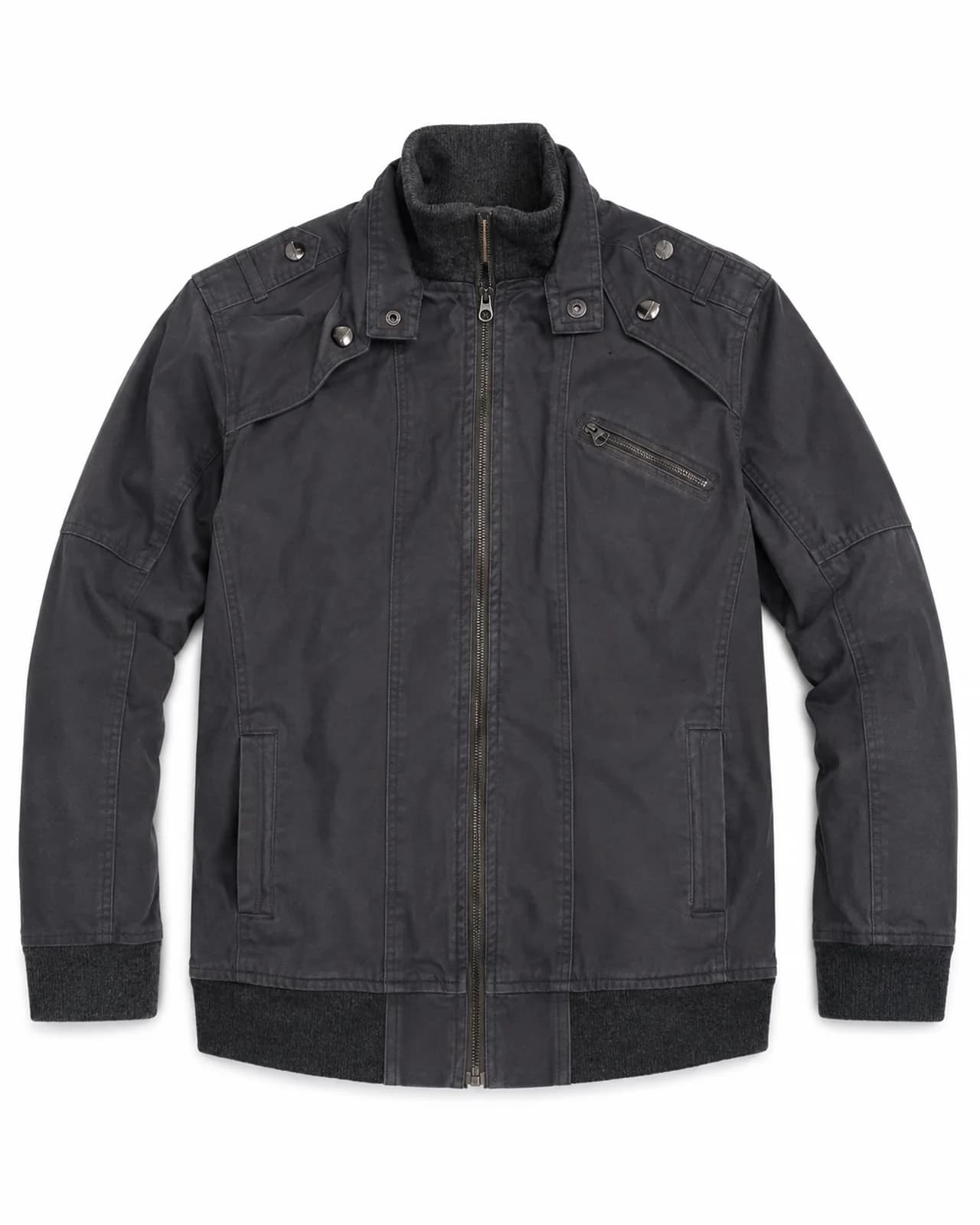
| Outerwear | Polyester shell, fleece | Name label area inside |
What to specify
- Colours
- Approved standards for each colour, held for years so new stock matches old.
- Crest
- Embroidery size, position and thread colours, approved on a sew-out.
- Sizes
- By age, with height and chest, and adjustable waists where useful.
- Durability
- Reinforced knees and seams, and fabrics tested for pilling and abrasion.
- Safety
- Children's product rules for each market, such as US testing and certification for under-12 products.
Work back from the first day of term
Stock must be in shops or schools before term starts. Count back through shipping, production, bulk fabric and sampling, and start development early enough to absorb one round of changes.
Related questions
Durable, easy-care blends: poly-cotton for shirts and polos, polyester-viscose or poly-cotton twill for trousers and skirts.
Children's clothing must meet the destination market's rules. In the US, products for children 12 and under need third-party testing and a Children's Product Certificate.
Early enough that stock arrives before term, counting back through shipping, production, fabric and sampling.
Send one specification and we will apply exactly this thinking to your style. Construction, materials and commercial FOB costing.