Buyer guide
How to plan a hospitality uniform program across front and back of house: roles and garments, fabric for the laundry, colour across garment types, sizing, stock and reorders.
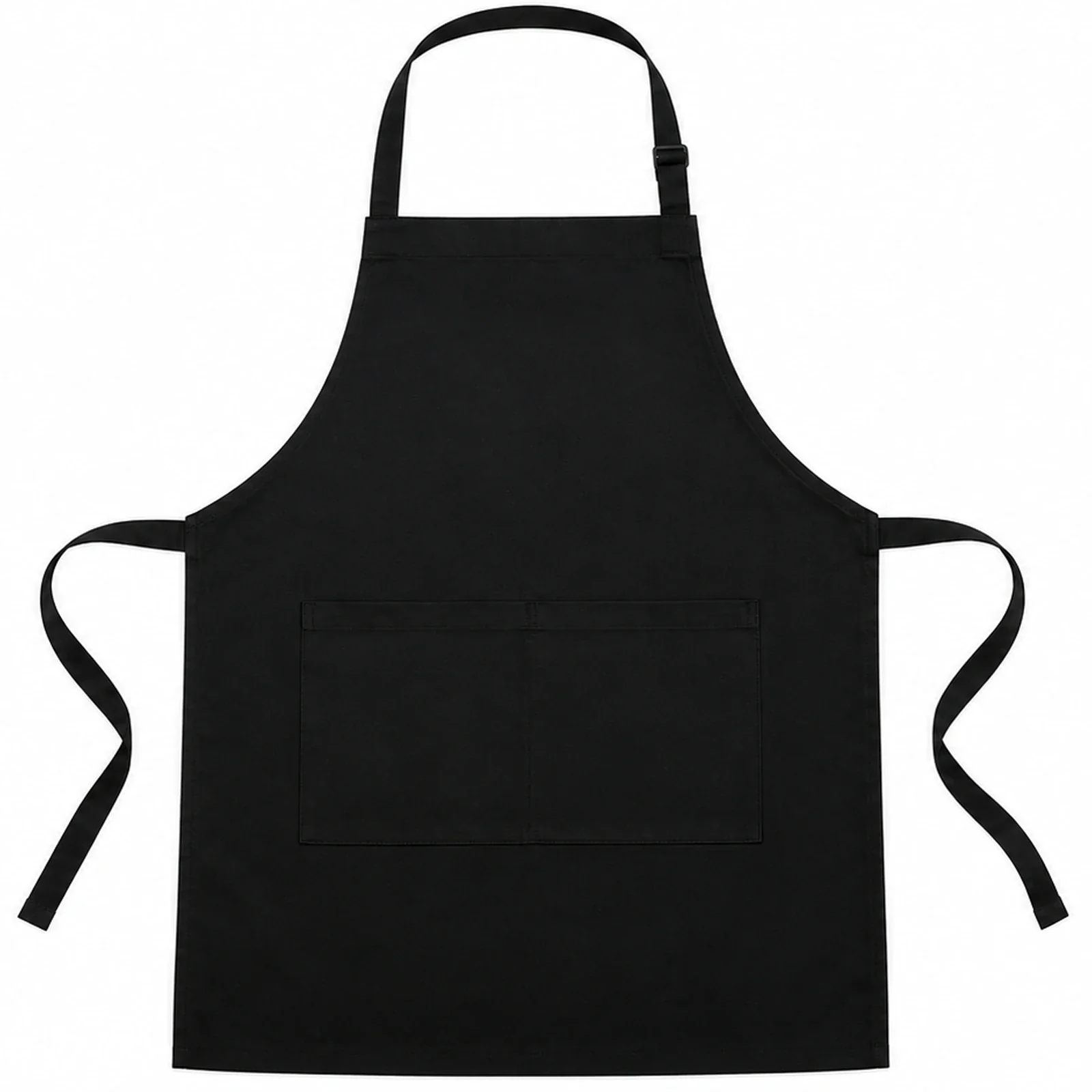 AI render
In short
A hospitality uniform program starts from roles, not garments: what each role does, where it is seen, and how it is laundered. Back-of-house garments (chef coats, trousers, aprons, caps) are chosen for heat and hard laundering; front-of-house garments (shirts, polos, waistcoats, aprons) for appearance and easy care. Colour is approved across all garment types together, sizes are planned from the team, and a reorder plan keeps the look consistent as staff change.
7 min read
Written by the AHM International product development team
Updated November 2026. Every worked figure is checked by automated tests.
Roles and garments
| Role | Typical garments | What matters |
|---|---|---|
| Kitchen | Chef coat, chef trouser, bib apron, skull cap | Heat, stains, hot laundering |
| Service | Shirt or polo, waist apron, waistcoat | Appearance, pockets, easy care |
| Bar and barista | Shirt or tee, bib or waist apron | Splashes, movement |
| Reception | Shirt or blouse, jacket | Appearance through a long shift |
| Housekeeping | Tunic or polo, trouser | Movement, chemical resistance, comfort |
Planning steps
- Roles and counts
- How many people in each role, and how many sets each needs for the laundry cycle.
- Fabric and laundry
- Who launders (on site, contractor or staff) and how, before fabric is chosen.
- Colour
- One standard approved across knits, wovens and aprons together.
- Sizes
- A size breakdown from the team, plus spares.
- Reorders
- Reorder points and lead times so new staff are dressed the same as the first delivery.
Sets per person
Plan enough sets per person to cover the laundry cycle, so a garment can be in the wash while another is worn. Too few sets and garments wear out faster, too many and stock sits unused.
Related questions
Enough sets to cover the laundry cycle, often three or more for kitchen staff who change daily. Plan from shifts and how laundry is done.
In colour and branding, often yes; in garment type and fabric, no. Each is chosen for its job and approved together for colour.
Keep the approved colour standard and specification on file, and reorder from the same fabric source where possible.
Send one specification and we will apply exactly this thinking to your style. Construction, materials and commercial FOB costing.